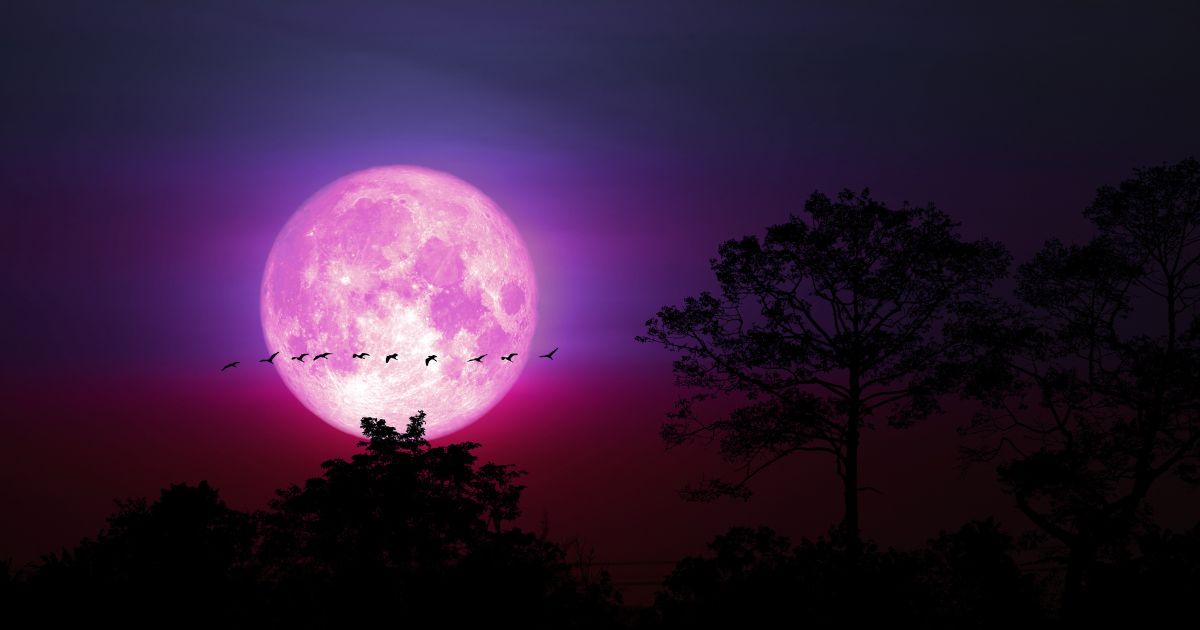


The full moon in August is known as the Sturgeon moon and is at its brightest August 9, 2025 at 3:54am. EDT.
The Sturgeon Moon gets its name from the large amount of sturgeon fish that were once in the Great Lakes — and adjacent rivers — and often caught during this time in the summer.
Lake sturgeons swam with the dinosaurs and are thought to be the oldest fish species in the Great Lakes ecosystem. They can live a long time (males to 55 years and females almost three times as old) and they can grow to be the size of a large man — close to 90 kilos (200 pounds) and over two meters long (6 feet).
This enormous fish has special significance to Indigenous Peoples and used to be a major part of the ecosystems in North America’s Great Lakes, Hudson Bay, and in the Mississippi River, and they were once found all the way from Canada to Alabama. Today, the lake sturgeon have become one of the rarest fish in North America because of intense overfishing 100 years ago, pollution, and damage to their habitat and breeding grounds.
A little good news: Habitat restoration efforts that were introduced more than 30 years ago are starting to see some small increases in population of lake sturgeon (the females must survive three decades before they can lay eggs).
Lake sturgeons are the oldest fish species in the Great Lakes ecosystem