
Atlantic Canada
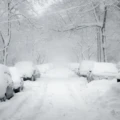
April brings big changes to Atlantic Canada as spring finally starts to take hold. Temperatures climb — from highs near +5 early in the month to the mid-teens by the end. It’s not quite patio season, but it’s getting close. Average rainfall hits around 65 mm, and when storms roll in, they bring heavy downpours that can saturate the ground and trigger localized flooding. Fog is common near the coast, especially in the mornings and evenings, as chilly ocean air meets warming land. And yes, snow can still make an appearance — especially inland or at higher elevations. Spring doesn’t arrive all at once here.
Quebec
April in Quebec is when things finally start to shift. A steady warming trend lifts average highs into the low- to mid-teens by month’s end in Quebec City and Montreal. But spring doesn’t always roll in quietly. Early April can still deliver a healthy blast of snow or a chilly morning that makes you wonder if winter got the memo. By mid-month, the snowpack begins to shrink and signs of life emerge — muddy trails, budding trees and that unmistakable smell of spring in the air. It’s also a soggy season, with Quebec City averaging about 84 mm of rain in April.
Ontario
April is when Ontario starts to thaw. The snow melts, days stretch longer, trees bud and early spring flowers bloom. Temperatures climb steadily, with southern Ontario reaching average highs of +14 and northern areas close behind at +10 by month’s end. Still, April can throw curveballs — ice storms have hit eastern Ontario in recent years, including 2023 and 2025. Rain is frequent, with 75 to 85 mm falling on average, especially in the south. Fog is also common in the early morning, especially near lakes and rivers.
The Prairies
April 2026 brings a classic prairie spring — some sun, some slush and a lot of in-between. Average highs range from -1 at the start to around +8 by the end. Nights often remain below freezing, making mornings crisp. Snowfalls and chilly nights are still in play. It’s a wetter month, with a mix of snow and rain helping recharge the soil. For farmers, it’s almost go-time — prepping fields while watching the skies. The signs of change are everywhere: longer days, the smell of thawing earth and the first real taste of spring.
British Columbia
April in British Columbia is like flipping through all four seasons in one day. Along the coast, the rain keeps coming — Vancouver sees highs from +11 to +13 through the month. Cherry blossoms and budding greenery cheer things up between showers. In the interior, it’s drier and warmer. The Thompson- Okanagan region sees highs jump from +13 to +16, though weather swings are still possible. A warm spell can lead to rapid snowmelt and flooding — especially along rivers and low-lying areas. Avalanche risk persists in mountain regions. Spring is underway, but winter’s memory lingers.
Yukon and Western Northwest Territories
April marks the beginning of a slow transition in the North. Temperatures hover between -10 and +5 — just warm enough to start chipping away at the snowpack. Early in the month, snow remains the main form of precipitation, but rain starts to make appearances later on. One of the most dramatic changes? Daylight. By month’s end, much of the region sees over 14 hours of sun daily. With so much snow still on the ground, watching melt rates becomes crucial — a rapid warm-up can cause sudden runoff and localized flooding.
Eastern Northwest Territories and Nunavut
Spring may be on the calendar, but winter still has a strong grip across Nunavut and the eastern Northwest Territories. Even so, April brings small shifts. By month’s end, daytime highs start creeping above freezing. In Iqaluit, the mercury inches up, with daily highs around -3 early in the month and near +2 by the end. In southern parts of the NWT, highs may reach +7. Snow hangs on, giving way only gradually to a mix of snow and rain. One of the month’s more haunting sights? Radiation fog and Arctic sea smoke — ghostly mists drifting across open leads in the ice as sunlight grows and conditions warm. It’s a visual reminder that change is coming — just slowly.