
The waters surrounding Prince Edward Island’s Spry Point show absolutely no sign of rising these days, but the most ambitious Ark building project since Noah’s times is nonetheless being pushed forward there with an urgency befitting a crisis of Biblical proportions.
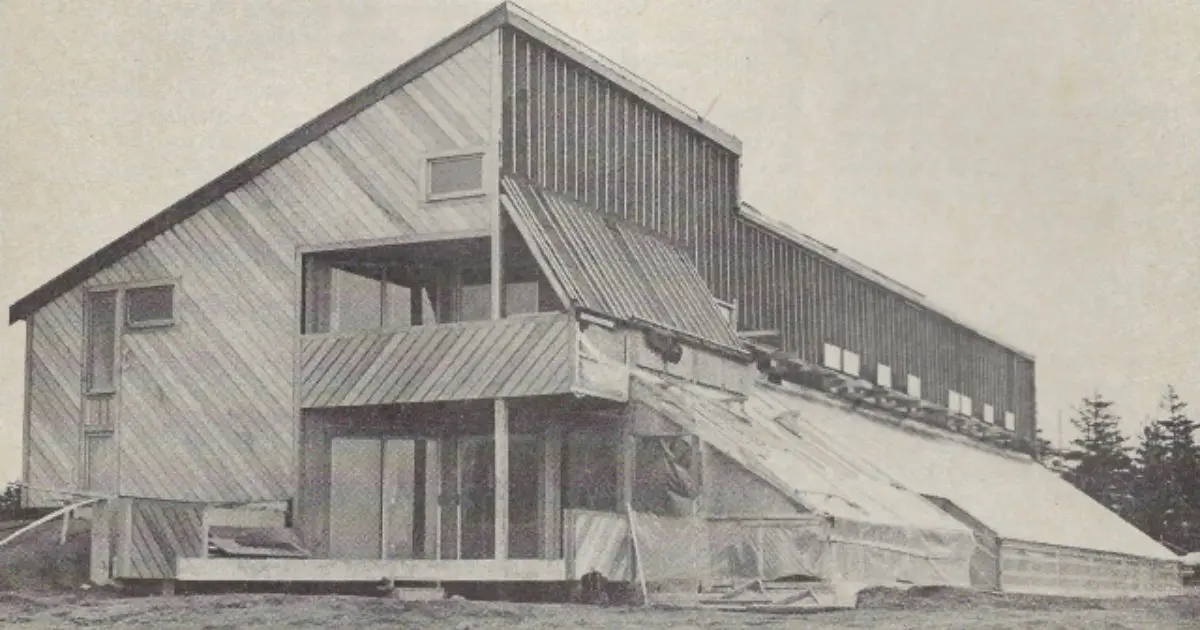
Notwithstanding the lack of flood waters, this brainchild of the New Alchemy Institute is being built to meet a different sort of crisis, but one which its designers feel is of equally grave dimensions. Solar powered and totally landlocked, this ecological vessel is unlike Noah’s menagerie in that it is intended to be a permanent residence for its inhabitants. “This Ark,” says New Alchemist John Todd, “looks and is built very much like a modern house, but in many ways is its antithesis.”
Expected to be complete by the end of this summer, the Ark is a multi-faceted bio-shelter designed to sustain the food, housing and power needs of one or more families. It will have to the outdoor gardens in the summer growing season. The Prince Edward Island Ark is an outgrowth of a small prototype model successfully put into use at the New Alchemists’ experimental farm on Cape Cod, Massachussets. The idea of housing people and their sources of food in the same building seems to have a particular fascination for Todd, who is 37 and a native of Hamilton, Ontario.
While a doctoral student under the noted ecologist Marsten Bates at Ann Arbor, Michigan, Todd created a miniature tropical rain forest in his house to help understand the dynamics and interrelationships of plants, soil, water and living things (including insects, birds and monkeys) in a sophisticated miniature ecosystem.
Although the indoor gardens are a major part of the experiment, the New Alchemists do not expect them to replace outdoor farming completely. They do, however, see them as an adjunct to summer gardens and a refutation of agribusiness. “We think that we have to move back to a smaller scale of food production,” says Nancy Willis, one of the project architects. “Food culture on such a small scale is not dependent on many of the vulnerable components of modern agriculture such as large acreage tillage and harvesting practices, food processing, transportation and fuel costs.”
With further research on biological food cycles and climate regulation, future Arks may have the potential of providing their residents with an income from the sale of fish, fruits, vegetables and greens produced in excess of family needs, the Alchemists say. Todd hopes the house will also reverse the dependence of conventional houses on mass produced power. “Rather than stimulate growth in energy needs,” he says, “arks might lead to conserver concepts as yet only dimly foreseen.”
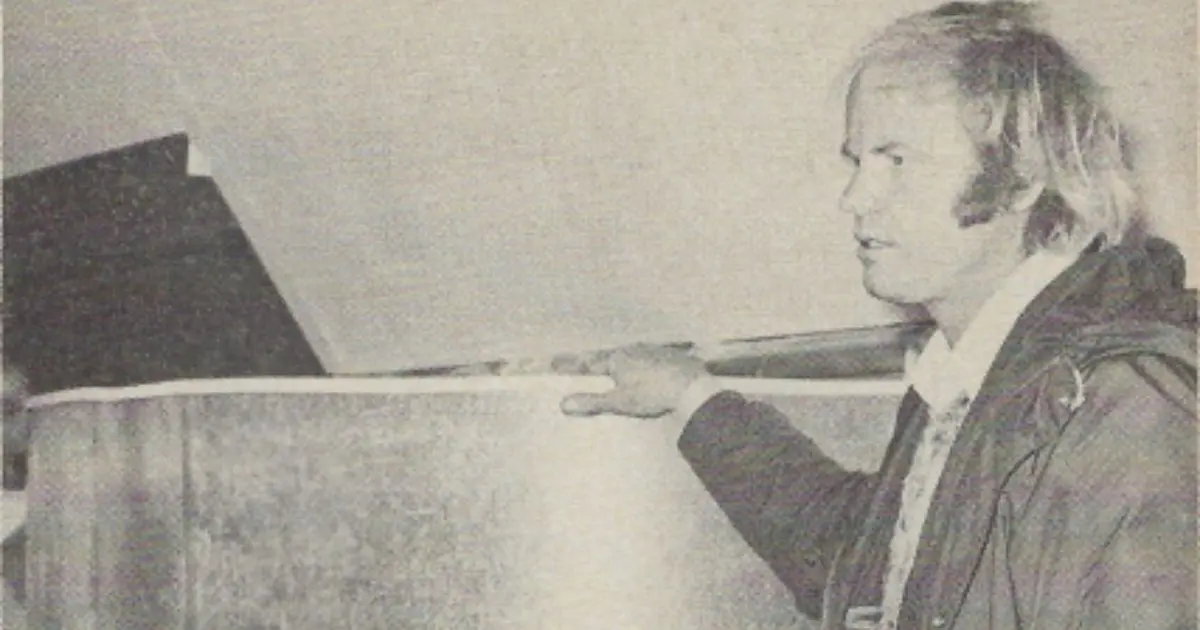
What the New Alchemists would like to see is a system of individual homes on Prince Edward Island, each with its own windmill and capable of feeding electricity into the existing power grid when a surplus is being produced. “Food culture on such a small scale is not dependent on many of the vulnerable components of modern agriculture.”
Heat for the 5,000-square-foot Ark will be provided by 850 square feet of flatplate solar collectors on a steep wall above the greenhouse area. After being heated by circulating through the solar panel tubing, the system’s water is stored in 21,000 gallon tanks under the living room.
A water-pumping windmill will be capable of circulating up to 5,000 gallons of water throughout the complex, providing heat exchange, water purification and filtration in the fish ponds. A second windmill system, designed by Merrill Hall and Vince Dempsey, is said to incorporate several new advances in the wind generation of electricity. Dubbed the Hydrowind, the system will use four separate windmills to produce 25kw (enough for a “largish” farm). The blades will turn a hydraulic pump high on the tower and the hydraulic oil from all four units will be forced to the ground to turn a hydraulic motor generator.
Each hydrowind will have a 20-foot diameter blade sweep, with hydraulic pressure in the tubes determining the blade position in different wind conditions. The blades are able to feather in high winds to avoid damage.
The windmill project alone has generated considerable excitement among scientists and engineers, and it is hoped that if they are a success, the units could take advantage of P.E.I.’s steady ocean breezes (14 m.p.h. average on Spry Point) to lower what are now the highest electrical power costs in Canada.
Woodburning fireplaces are to be used as a back-up for the solar and wind systems. Emergency heat can also come from resistance coils built in the air ducts. The aquacultural project planned for the Ark includes a series of 34 fibreglass tanks in which fish and algae will be propogated. The different fish to be tested in the interconnected “river” of tanks include tilapia (mouthbreeders), white amur, mirror carp and salmonoids (members of the salmon family). (Todd’s background in marine biology includes three years at the Woods Hole Oceanographic Institute.)
Although the Ark has proved expensive to design and build (in excess of $300,000, from the Ministry of State for Urban Affairs, the Province of P.E.I. and the New Alchemy Institute), the New Alchemists say future Arks can be mass produced much more economically.
Located near Little Pond, on the eastern tip of Prince Edward Island, the Ark could conceivably supply all of its occupants’ food needs. Greens and vegetables from the greenhouse, right, and protein in the form of fish from the indoor river running down the alleyway, centre. Solar heated hot water is stored in the 118-yard rock storage tank, lower left.
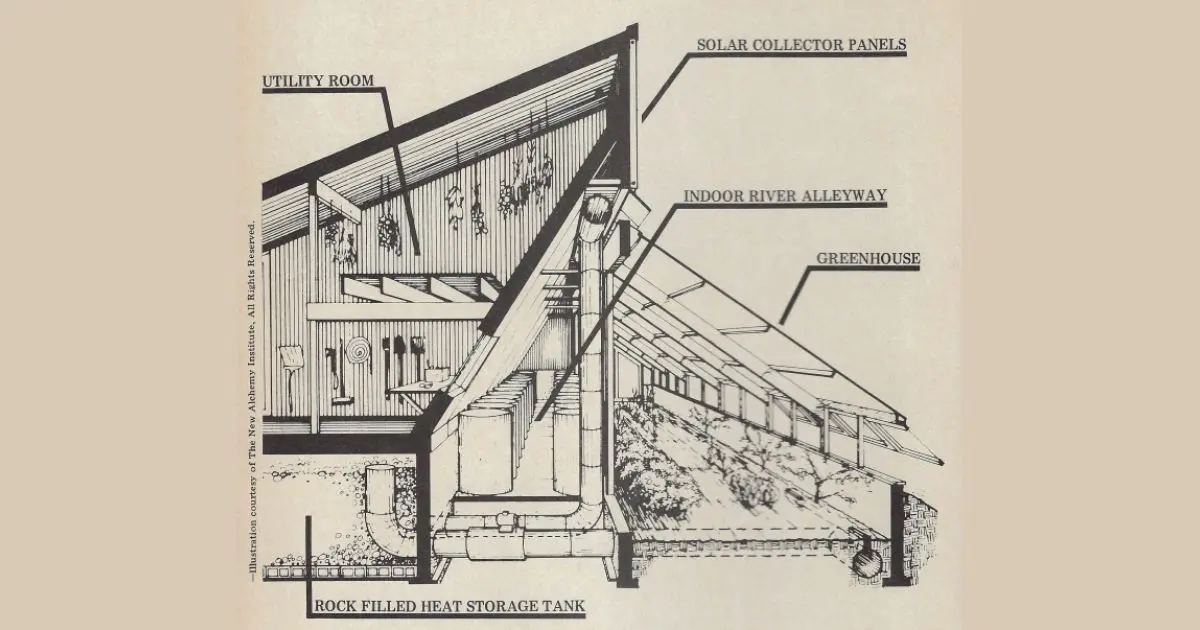
Winter greenhouse crops are expected to be especially significant as cold climate residents, especially those in remote areas, must usually contend with foods that are imported, expensive, often of poor quality and in short supply. Too, the Ark may have economically important food production possibilities, as conventional greenhouse growers are facing fast-rising fuel costs and the spectre of energy shortages.
Canada’s greenhouses, for example, produce $11 million worth of vegetables annually, and fuel costs for heating represent more than 30 per cent of the total production expenses in some areas. Solar and aeolian (wind) power, in contrast, are “free” energy sources once the initial capital costs are recovered and they therefore have the potential to revitalize, decentralize and regionalize indoor food production controlled environment agriculture and intensive aquaculture especially in the winter
months in the north.
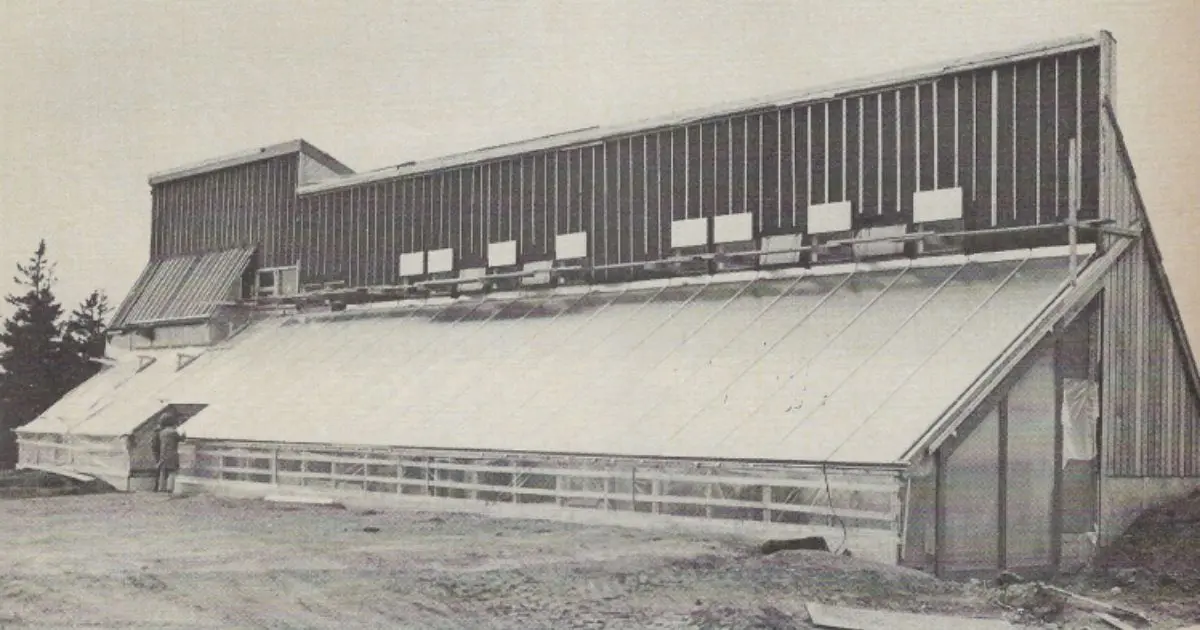
In addition to the cold logic involved in the design of the Ark, the New Alchemists have shown a sensitivity to the local visual environment as well. Writing in The Journal of the New Alchemists, Dr. Todd said: “All along there has been considerable discussion of the Ark’s aesthetics. It is situated in an extraordinarily beautiful place on the edge of the sea and must be worthy of the site.
“The architects were especially sensitive to our request that it prove a powerful state-emerging solar aesthetic, for the Ark must not only work, but echo the slogan of the Province: The Place To Be.”
An attractive poster displaying various angles of the P.E.I. Ark and explaining some of the concepts involved is available from the New Alchemy Institute, Little Pond, Prince Edward Island, at $1.50 each.
Susan Soucoup is a freelance writer living near Charlottetown, PEI.
Published 50 years ago in 1976. Some information may no longer be relevant or accurate.