

Winter exposes the bare bones of a garden, allowing you to take a critical look and see where the gaps are — but this
doesn’t mean that every bare area needs to be filled. Just like how we know it’s important in interior design to arrange
furniture and accessories in proportion to the size of the room, large grassy areas, meadows and patio spaces should be in
harmony with the intensely planted garden areas. In the landscape, the structural focal points like walls, arbours and large trees bring personality to the landscape, and the flower beds add coziness.
In the hushed embrace of winter’s tender grip, the Canadian garden transforms into a shimmering masterpiece of ethereal beauty. Each snowflake, a delicate work of art, adorns the landscape with its crystal facets. Trees stand as silent sentinels, their branches draped in glistening white. The garden’s once vibrant colours now rest beneath a pristine blanket, awaiting spring’s awakening. Here, nature weaves a tapestry of tranquillity, inviting contemplation amid the serene stillness. The sun’s gentle caress imparts a soft, golden glow to this frozen wonderland, illuminating the intricate frost patterns that adorn every leaf and petal. In the heart of winter, the garden whispers its own enchanting tale, a testament to nature’s enduring
grace and timeless allure.
6 Top Native Plants for Winter Interest
The plant details you will notice the most this season are structural evergreens, architectural foliage, parchment-toned grasses, vibrant stark stems, beautiful barks, and plump berries. Here are some of my favourite native plants that add beauty to the garden and support local wildlife.
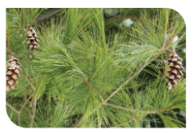
Eastern White Pine (Pinus strobus): This evergreen tree retains its needles throughout the winter, providing year-round greenery and shelter for birds. It’s a symbol of Canada and a great addition to any garden. Height: typically, 50’-80’ (15- 25m) in landscapes. Spread: 20’-40’ (6-12m). Hardiness Zone: 3.
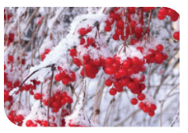
High Bush Cranberry (Viburnum trilobum): Despite its name, this shrub isn’t related to the traditional cranberry. It produces bright red berries that persist through the winter, attracting birds and adding colour to your garden. Height: 12’ (3.6m). Spread: 10’ (3 m). Hardiness Zone: 3.
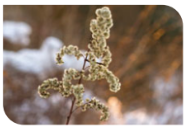
Canadian Goldenrod (Solidago canadensis): This perennial wildflower showcases vibrant yellow blooms in late summer and fall. Even in winter, its dried seed heads provide texture and interest to your garden while providing food for birds. Height: 4’ (1.2m). Spread: 3’ (1m). Hardiness Zone: 3.
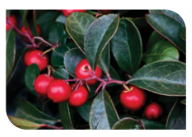
Wintergreen (Gaultheria procumbens): With its glossy, evergreen leaves and bright red berries, wintergreen adds charm to winter gardens, especially when placed by the front walkway, where you can enjoy it daily. It’s also known for its delightful minty scent. Height: 4-6” (10-15 cm). Spread: up to 3’ (1m). Hardiness Zone: 2.
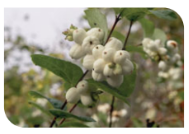
Snowberry (Symphoricarpos albus): This deciduous shrub is aptly named for its small white berries, which persist throughout the winter, offering sustenance for birds during colder months. Height: 5’ (1.5 m) Spread: 4’ (1.2 m). Hardiness Zone: 3.
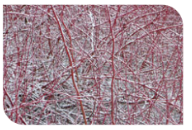
Red Osier Dogwood (Cornus sericea): Known for its striking red stems, this shrub that thrives in damp, boggy areas, adds a pop of colour to the winter landscape. It also produces white berries that attract birds. Height: 9’ (2.7m). Spread: 5’ (1.5m). Hardiness Zone: 2.