
Snow may be flying more than pollinators, but that isn’t slowing the progress on the new Honey Bee Research Centre at the University of Guelph. Contributor (and beekeeper) Michael Schultz shares all the buzz.
The Boy Behind the Bees
In June 2024, I visited Paul Kelly, manager of the University of Guelph’s Honey Bee Research Centre in Guelph, Ont. Bees have been the talk of the town (and country) since we were told (a.k.a. warned) how vital they are to the pollination of our food sources. There’ll be 9 billion of us on the planet by 2050, and one-third of the food we eat depends on pollination. Kelly is positive about our prospects. Bees have plenty of advocates.
He says it is important to “educate the general public on the importance of pollinators—not just honeybees. Our future will rely even more on honeybees, since they are in increasing demand for pollination of our food sources. One-third of the food we eat benefits from bee pollination, and 80 per cent of that is done by honeybees.”
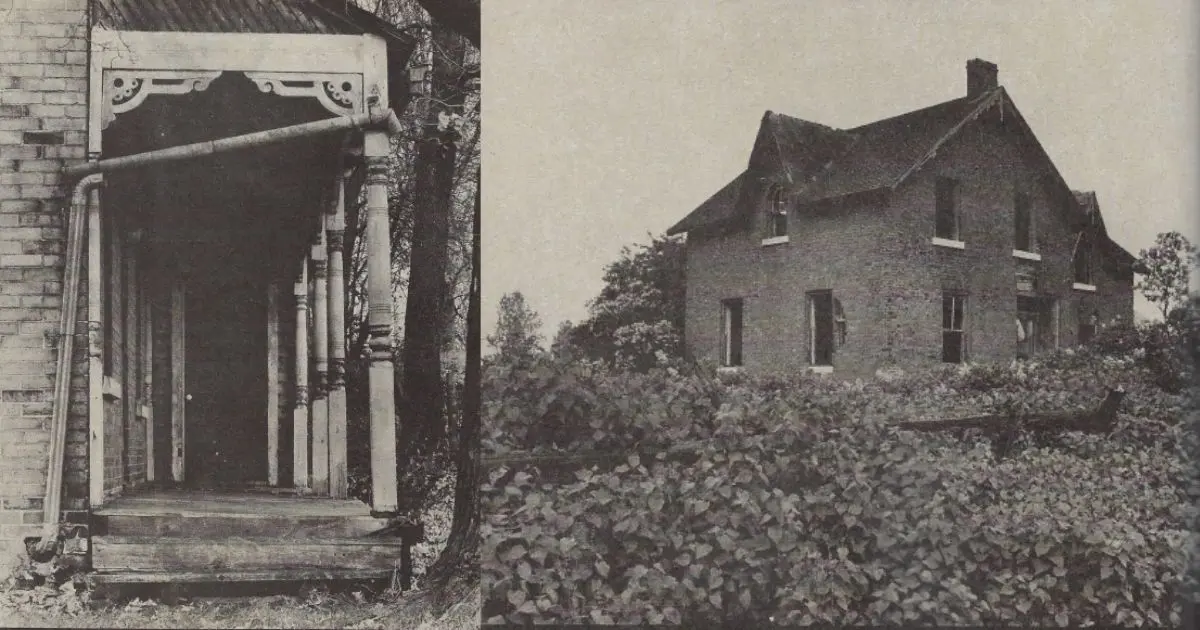
Kelly and I discussed U of G’s unique position as a university with its roots “one foot in the furrow.” The school was built in the 1800s specifically to cater to the study of rural and veterinarian life. There is an historical plaque on campus attesting to this mission. The current Honey Bee Research Centre (HBRC) is located down a long laneway off Stone Road in an old bungalow called Townsend House. Kelly told me there are about half a dozen centres for bee research across Canada; Guelph is the oldest. Each year, approximately 800 students take the apiculture course. The centre hosts interns from around the globe. In actual fact, the HBRC has existed since 1894 to concentrate on apiculture. Kelly has been with the centre since 1987. He manages more than 300 bee colonies across 13 apiaries, as well as two isolated apiaries on islands in Lake Simcoe for breeding stock. The Townsend location simply does not provide the opportunity to grow, and it has accessibility issues.
The new centre is just down the road from the present location, on land formerly used as a tree nursery. That’s good, because we must remember trees are a great source of pollen for bees in the spring, particularly trees like the linden (basswood). The first ground was turned in June 2023 to initiate construction. Kelly surprised me by saying honeybees are not native to Canada. While other pollinators did exist, honeybees were imported by settlers, largely from Europe, as early as the 1600s.
Kelly is indeed a fountain of information and expertise, having been interested in bees since he was a boy. His father introduced him to beekeeping in the late 1960s when he was in Grade 6. A neighbour down the road, “Honey Boy McLaughlin,” was a commercial beekeeper. Kelly was hooked. (He even did a presentation in his science class on bees.) He always knew he wanted to do outdoor work.
While out west, he met people who spoke highly of the university. In 1979, he met a student taking apiculture. Kelly subsequently enrolled and thus began his quest. He took his second year off to work for a commercial beekeeper in Peace River Country who had 3,000 hives. Summers thereafter, he travelled and worked with bees in the Okanogan in B.C., honey and blueberry production in the Annapolis Valley in N.S., and queen rearing in New Zealand. He was going to start his own commercial operation, but in the mid 1980s, with honey prices low, he signed on as manager of the HRBC. At 65 years old, his
child-like fascination, curiosity and energy is unfailing.

The Designers
Welcome to the next generation of the HBRC, set to open in 2025. If you haven’t seen entrepreneurship on campus before, this is where to find it. They make honey, run a farm, provide tours and courses, run a retail centre and they are doing research. They are constantly innovating and making honey and bee propagation better. Many of you may be familiar with the newly revamped Canadian Canoe Museum in Peterborough, Ont., and now Guelph will welcome a world-class centre designed by museum designers and famed architecture firm Moriyama and Teshima, based in Toronto. According to Moriyama and Teshima, the new centre will be “North America’s first one-stop shop for honeybee research, education and research.”
Flashback to the early 1940s during WWII, a young boy named Raymond Moriyama and his family were moved to a Japanese internment camp in Slocan, B.C. Moriyama would have been about Kelly’s age when he sought refuge in the natural world of the West Kootenays. Raymond would bathe in the glacial waters of the Slocan River. This is where Moriyama would begin earning his chops as an architect. He reflected on his youth in the recent documentary, “Magical imperfection: The Life and Architecture of Raymond Moriyama.” In it, he says, “I found myself wanting to build my first architectural project, a tree house, without being found by the RCMP. I used just an axe as a hammer, an old, borrowed saw, six spikes, some nails, a rope and mostly branches and scraps from the lumberyard. It was hard work building it by myself, and it was a lesson in economy of material and means.” Such are the rudimentary lessons and influences of youth.
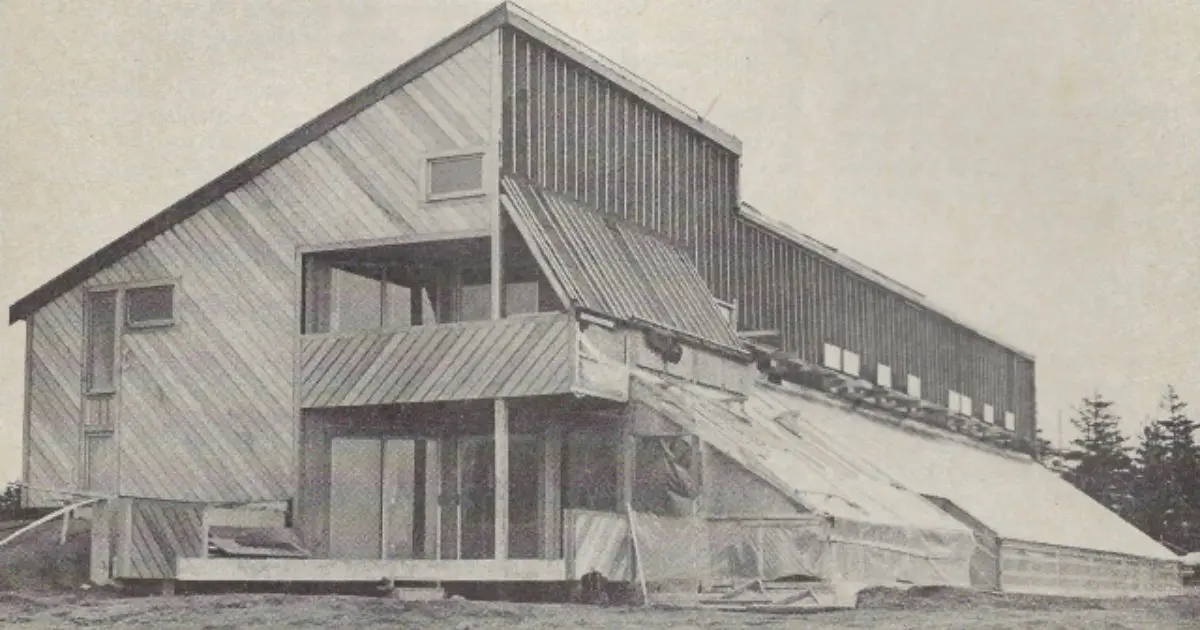
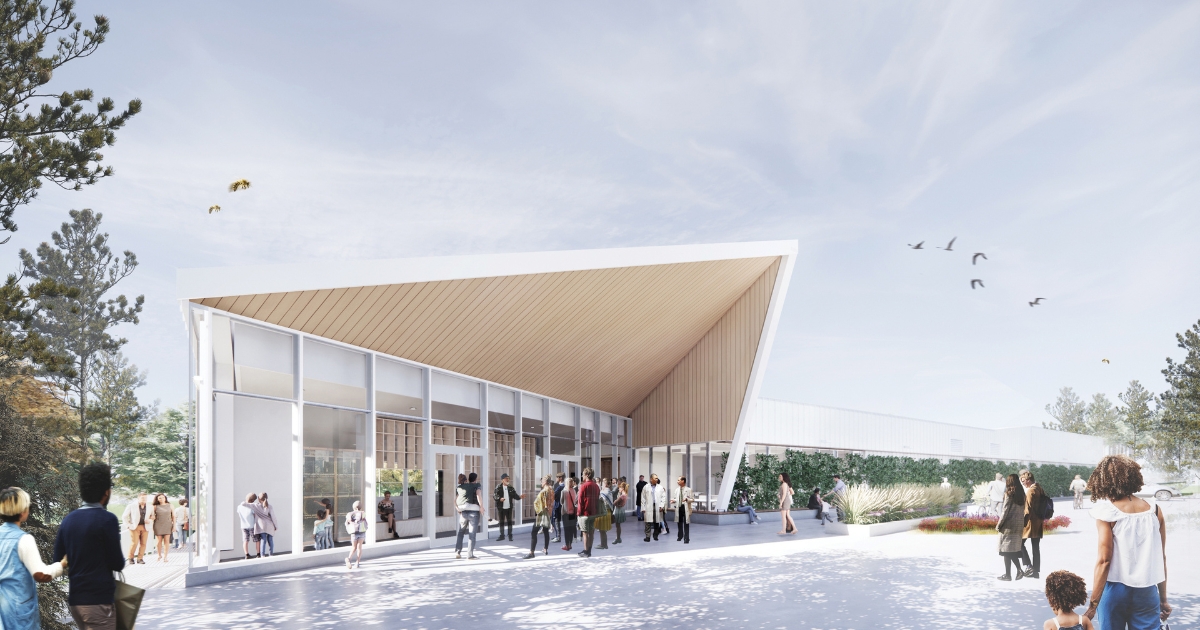
Moriyama died in September 2023. He would have seen the vision and had a hand in the new HBRC, which his firm designed. The architect of the Ontario Science Centre (1964) and countless other structural marvels would be pleased. The new HBRC will have large glass windows, a structure in the middle resembling a beehive, a field of beehives, and a timber structure, which includes natural ventilation, low-carbon building materials, solar power and even a geothermal system. The whole project exemplifies sustainability.
According to the architect, the new HBRC will “enhance connections to both the neighbouring University of Guelph campus, the surrounding natural landscape, and its existing integrated trail system.” The Doctor Other key players include professor Ernesto Guzman, who is director of the HRBC. “The new honeybee research centre will be an iconic facility that will enhance the already good reputation of the University of Guelph in honeybee studies,” Guzman says. “We will attract top-quality students, scientists and visiting scholars who will improve the quality of research, education and outreach on honeybee and apiculture-related matters.”
Kelly informed me that Guzman has provided significant international outreach and leadership particularly in Spanish-speaking countries like Mexico and Spain. I think I heard him refer to Guzman as “The Bee God.”

The Deans
Guzman and Kelly went to Rene Van Acker, the dean of the Ontario Agriculture College about 10 years ago to get support for a new centre. (The position is now held by John Cranfield, and he has been a steady champion of the project.) They had brainstormed and developed their vision by involving others at the centre—a real grassroots initiative. Since then, there have been a couple of deans who have helped champion the development of the new HRBC. They decided to put it out for tender as a design competition. It had to be unique, and it had to satisfy donors. The Moriyama and Teshima won out with its creative design and its willingness to collaborate.
The Philanthropists
Next, the $17-million project required donors. Alumni Affairs on campus was helpful in this regard. The shared concern for bees brought the money they were looking for. Leading the way in donations is the Pinchin family, who wanted to see public outreach and an internationally renowned facility. Lydia Luchevich is a 1979 alumna in chemistry. She and her late husband, Don Pinchin, donated $7.5 million to the project and has been a constant supporter of the project. Consequently, the centre will proudly bear their names.
Pinchin was a major advocate of honeybees and started an environmental consulting firm in 1981.
The Future
One of the highlights on the HBRC website is the compilation of short training videos. Kelly laughed when I asked him if he’d received an Oscar yet for starring in more than 70 beekeeping skill videos. They average seven minutes in length and cover the basics of beekeeping by topic. While they are not meant as entertainment, you might say they are sources of “edutainment.”
They have experienced some 30 million views, in 12 languages. Putting them on YouTube created a broader reach and with resulting analytics. I asked Kelly if there were more videos in the making. “No,” he said. “We have covered everything we set out to. We are very proud we got them out there. We did some crowdfunding. We hired a young student to do the video production, and he was terrific. Best of all, we can use the videos as back up to our courses and instruction for beekeepers.”
According to Kelly, you can expect to learn a great deal from the new centre, as it fulfills its educational mandate. It is slotted for early 2025 occupation. The Townsend House facility will remain open for a year past that and then be repurposed. Without a doubt, there will be considerable fanfare and media recognition when the ribbon is cut. (Who knows? Perhaps Sting will show up to play or Samantha Bee will do a scoop.)
We can be proud as Canadians that this exciting development to address bee health is soon to be a reality. As Diarmuid Nash, a partner at Moriyama and Teshima, says, “We have been nothing short of inspired by the staff and the work of the Honey Bee Research Centre and the University of Guelph’s commitment to the sustainability and health of the agricultural industry in Ontario.”

Beekeepers need to diversify to be profitable. Here are a few examples of how this can happen:
- Hives
- Honey
- Queen sales and rearing
- Bee sales
- Propolis (a resin produced by bees used in building hives that has medical properties)
- Bee venom collection
- Beeswax
- Agri-tourism