
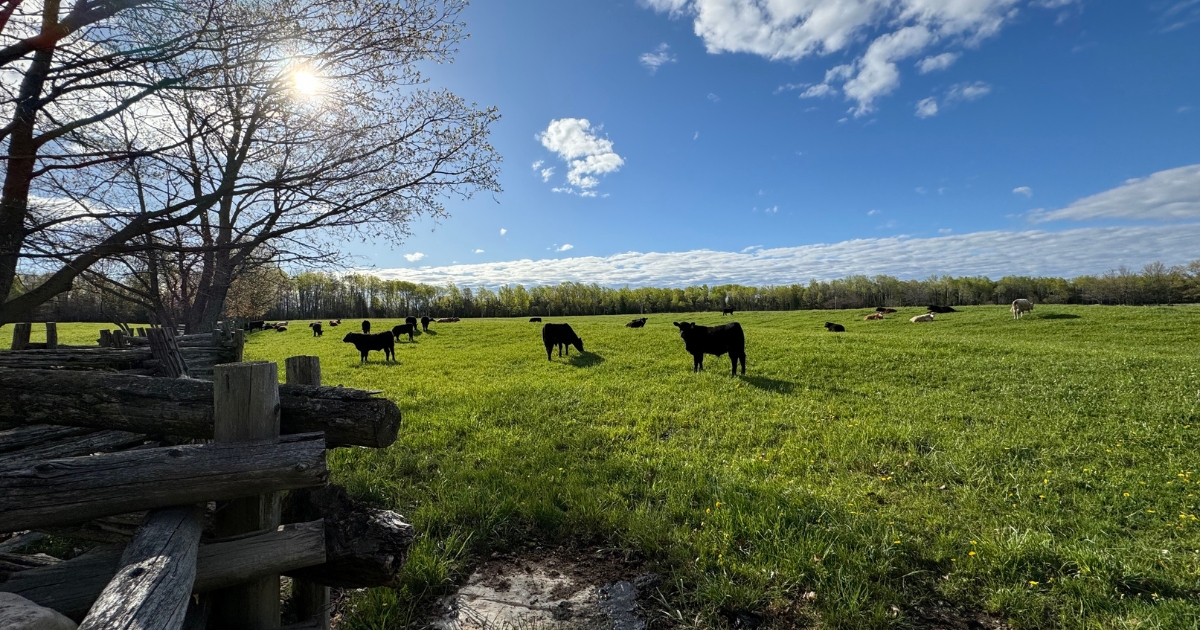
If you keep grazing animals or plan to, then getting the most from your pasture is worth the effort, both for you and the welfare of your herds or flocks.
I’ve been pasturing beef cattle on 40 acres on Manitoulin Island, Ont. since 1989, and I now get five times the productivity from this patch of ground compared with when I started. Most pastures have a lot of room for improvement, precisely because people don’t usually consider “pasture” as a managed crop. But the fact is there are huge gains to be made to boost the output of most pastures and improve animal health, all without expensive equipment, tillage and reseeding. If you have a farmer’s heart, and would love to make agriculture part of your life, then let me show you what’s worked for me.
What Makes Good Pasture?
The ideal managed pasture is a blend of grasses (timothy and orchard grass are the main ones at my place) and legumes such as trefoil and clovers. These provide high levels of protein. I see myself as a kind of orchestra conductor, but instead of musicians, I’m directing plants and animals to work together.
Your job managing pasture is essentially about using techniques to establish and encourage a harmonious growth of plants that animals will thrive on. Rotational grazing is one of the most important approaches.
Rotational Grazing
This key practice is all about restricting grazing animals to small areas of pasture for short periods of time, then moving them on to other areas to allow pasture to recover. Rotational grazing is one of the most effective means of pasture optimization, and it’s possible and practical because of lightweight, easily deployed electric fence systems. If you want to improve pasture output, then rotational grazing should be the first thing you do.
Here at my place I use hand-crank reels of what’s generically called poly wire or poly tape to divide pastures seasonally into
sections. Both are flexible, woven plastic twine with strands of stainless steel worked into the weave to transmit electricity. This type of tape or wire is used to create sections called “paddocks,” and I’ve learned that a a two-and-a-half- to three-acre
pasture size is ideal for the 50 to 60 head of beef cattle I host each grazing season. If your grazing herd or flock is smaller or larger than mine, then different paddock sizes make sense. Aim for a size that allows animals to take about two bites from most plants over a period of one or two days before moving them to a new paddock.
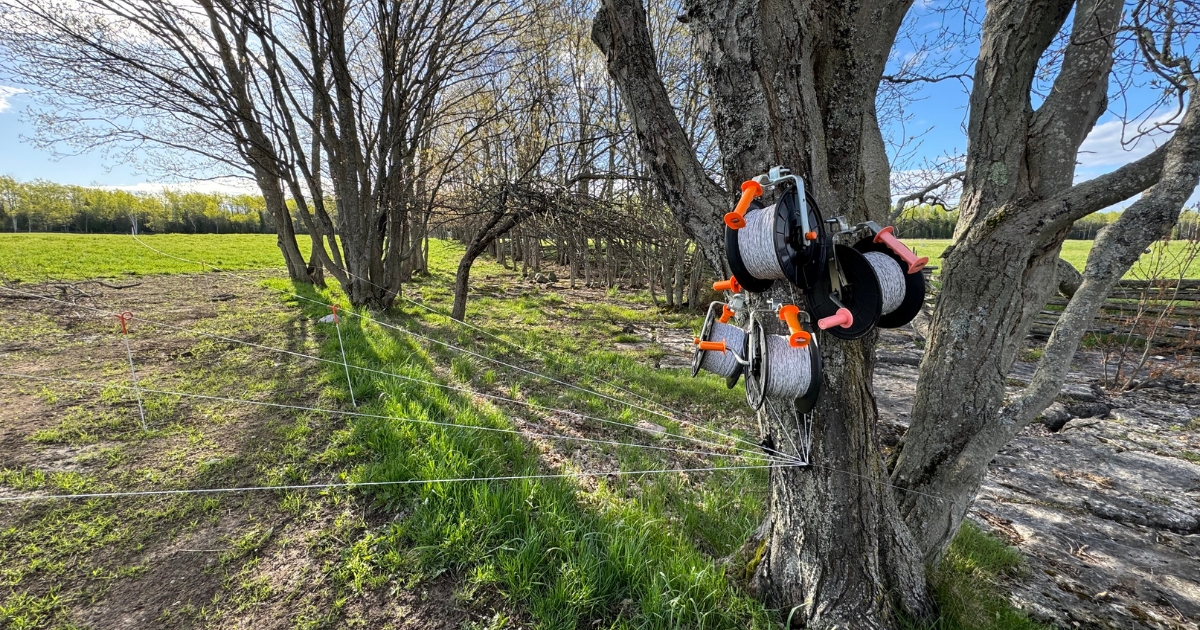
There are many brands of electric fencing systems, but I’ve found that the greater expense of Gallagher products pays off in longer working life and lower overall costs. I use their most economical poly wire reel system, with step-in posts to support the poly wire. I don’t use permanent paddock fencing, but set out the poly wire each spring and take it up in the fall using my ATV with simple accessories I’ve built to let me unroll the poly wire and set posts without getting off the machine. Temporary paddock fencing also lets me tweak paddock size and shape as I learn what works, and it makes it much easier to deal with my fields as a whole, such as when I had tile drainage installed in 2021. Permanent fencing also encourages weeds to establish themselves because clipping can’t be done right up to the fence. More on the value of clipping later.
In addition to the benefit of allowing pasture to recover without traffic, rotational grazing is a tool you can use to keep pasture grasses growing vegetatively. This is the lush, green, productive phase of grass growth and it sits between two extremes that greatly reduce pasture production. One extreme: it’s no good to graze pastures down to nothing because this greatly restricts
leaf area, which is necessary for photosynthesis and regrowth. The other extreme is allowing pasture grasses to become too mature.
This causes the grasses to cease leaf growth since all plant energy is being put into seed formation. Clipping is one tool you have to use alongside rotational grazing to keep pastures growing vegetatively.
Pasture Clipping
Animals have preferences when it comes to the plants they choose to eat or leave, and this means that over time, undesirable species thrive in the pasture ecosystem, while nutritious and desirable plants remain under grazing pressure.
This means that plants like thistles, milkweed and other low-nutrient wild species are likely to mature, set seed, then spread over time. Don’t let this happen. This is one place where you need to function as an orchestra conductor. You want to impose a balance on the land, and pasture clipping can help in two ways.
Clipping is the practice of mowing pastures fairly high (six inches to eight inches), and there are two benefits. One is to prevent
undesirable species from setting seed and spreading, and the other is to keep pasture grasses growing vegetatively, if animals can’t keep up.
I use an eight-foot flail mower on a tractor to clip pasture and I can cover about two-and-a-half acres per hour. One clipping per paddock per year does the trick. At a minimum, I clip in late July or early August in areas where thistles are beginning to set seed, but in most areas, it makes sense to clip earlier because of a little-known but highly helpful characteristic of temperate zone grasses.
If a grass plant is bitten off or clipped after it’s half grown, that plant will never try to set seed again for the season, and will
remain growing vegetatively and productively until winter, no matter how tall it gets. One of the most valuable results of clipping is this permanent state of active growth that is triggered in grasses.
Soil Fertility
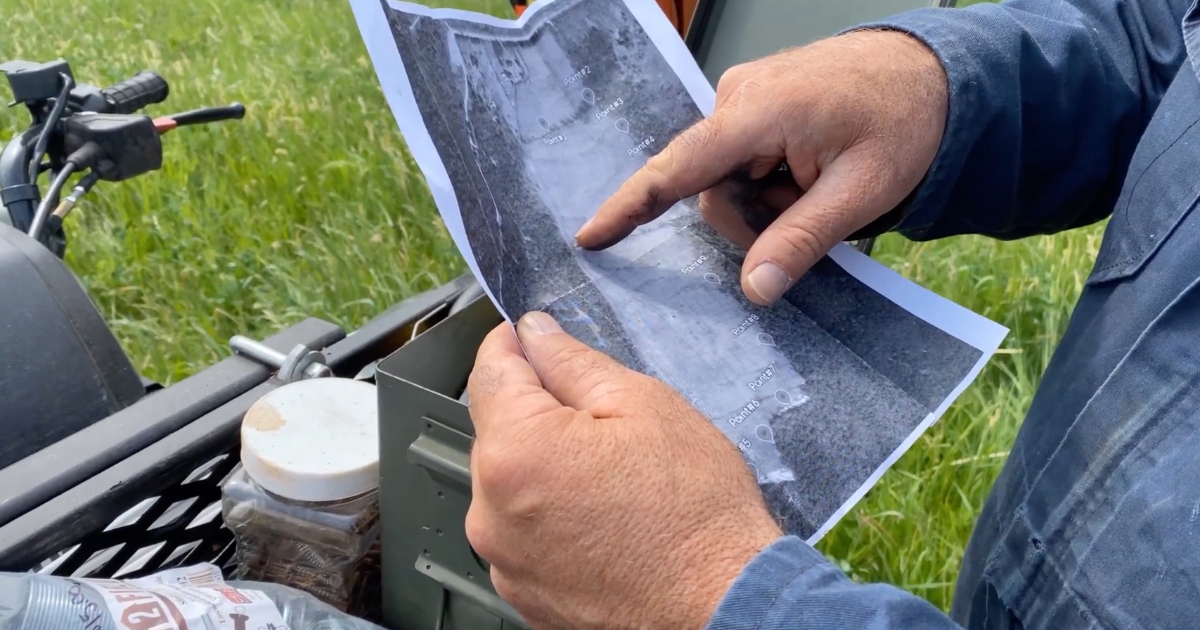
Most pasture lands have sub-optimal fertility levels because of years of removing crops and failing to replace nutrients. Bringing these nutrient levels up following the results of soil sampling offers the possibility of huge productivity gains. I sample my pasture every three or four years, taking five or six samples from different places that I mark on a printout of my fields from Google Earth. This lets me tailor nutrient application as needed.
Sampling also tells you the pH of the soil and where the application of lime might be beneficial. Lime is finely crushed limestone, and I’ll be liming this summer for the first time to bring the pH up to between 5.5 and 6.0. My soil samples show very low calcium levels, too, so my hope is that by liming, cattle at my place will benefit from enhanced bone growth. I keep records of annual weight gains, so I have enough long-term numbers to see if liming delivers growth improvements.
Watering Systems
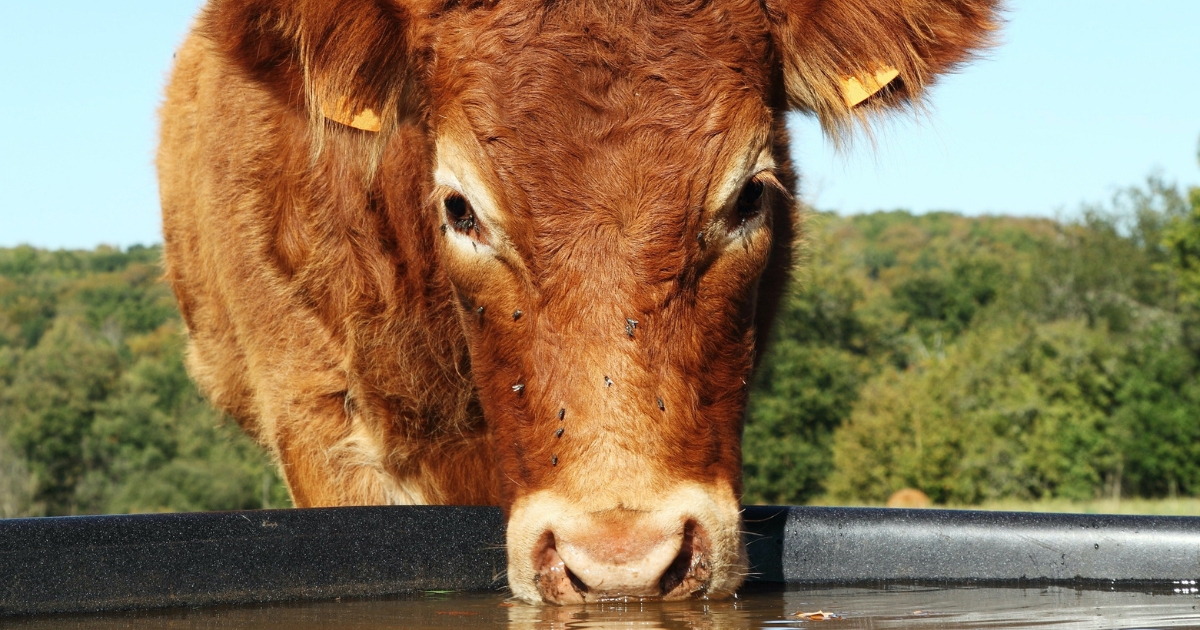
It’s one thing to restrict grazing to small paddocks, but you also need to provide access to clean water in each paddock. This can involve a lot of seasonal piping and water troughs that need to be activated each spring and winterized each fall. I’ve seen how troublesome this can be for others who graze rotationally, and that’s why I do things differently.
Instead of dividing my pasture into square or rectangular paddocks that would require an extensive system of piping and many troughs, I make my paddocks pie-shaped, with water available in troughs at the pointy end of each pie slice.
Two sources of water and three 150-gallon troughs provide water to all 14 paddocks in which my pasture is divided. It’s as simple as systems get, it works well and it minimizes hoof traffic and soil compaction that unavoidably happens around stationary water troughs. I have plans to build a portable 1,000-gallon “water wagon” that will allow me to water animals anywhere on the pasture, but that’s an improvement for the future.
The farmer whose cattle I pasture is on the ball, and tests animals for parasites as they come off pasture each year. One thing he noticed a few years ago was a high incidence of lungworm in the cattle coming off my place, and water troughs are a main culprit where lungworm gets transmitted from one animal to the other. I now keep a chlorine pool puck divided into quarters in each trough during the grazing season. This kills parasites in the water and there have been no significant lungworm issues
since I started this practice.
Frost Seeding
This is the practice of broadcasting the seeds of nutritious legumes like bird’s foot trefoil and clovers such as white Dutch, Sweet, Alsike, Red and others in the spring on the snow. These tiny seeds settle into the soil between existing pasture plants as freeze/thaw cycles open and close small cracks in the dirt, with germination and growth setting in as soon as things warm up. The idea is to increase the protein percentage of growth that gets grazed without ploughing and complete seeding, and you can’t beat legumes for this. I use a heavy chain harrow on the pasture in the fall to spread clumps of manure, but also to make small scratches on the soil to boost frost seeding success next season. Choose perennial clovers and they’ll continue to come back year after year.
One of the things I like about improving my pasture is the ongoing challenge it provides. Future plans for my place include
opening up some of my forest lands for light grazing as part of a silvopasture* approach to improve the forest. I’m also thinking about the value of over-wintering animals on purchased feed to bring fresh nutrients onto my place while also gaining from animal growth, besides bringing in a little more income.
*Silvopasture is the practice of integrating trees, forage and animal grazing in a mutually beneficial way.
Custom Grazing
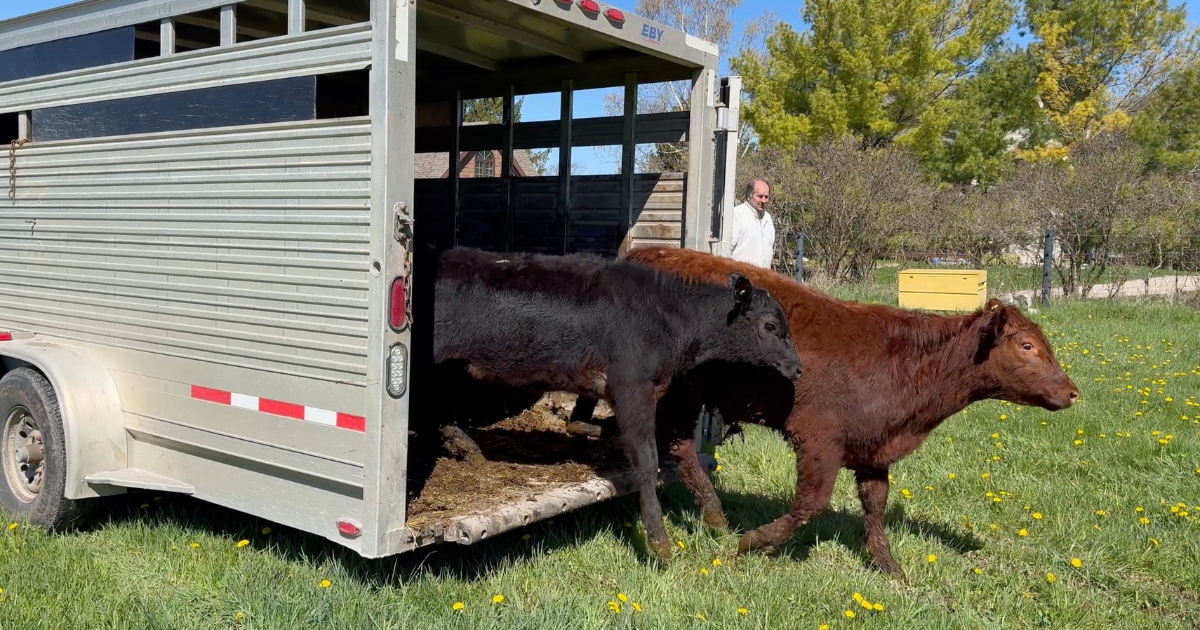
I operate my pasture to earn money feeding other people’s animals, and this is where something called “custom grazing” makes all the difference. It’s the practice of weighing the animals before going on pasture, then weighing them when they come off. You are paid by the animal owner on the gain. When I started custom grazing in 2015, my farmer friend and I settled on 50 cents per pound. Indexed to inflation, that’s now 63 cents per pound. This provides roughly the same income as selling hay off the farm, but without the massive nutrient losses from harvesting hay. My typical gains for the season currently run between 9,000 lbs. and 10,000 lbs. of total weight gain for 40 acres, which gives enough income to re-invest in the pasture with nutrients, frost seeding and fencing equipment.
Does It Pay?
I have more land than I need to provide food for my family, so I pasture cattle to make productive use of the land while I own and care for it. My pasture is what I consider a serious paying hobby. I have less than $15k invested in equipment, and I spend 50 to 60 hours per season doing all my pasture work. After expenses I’m left with something like $50/hour earnings for my time. In addition to that I love to partner with the earth to make food for people, so a considerable amount of joy is part of the reward. A few years ago a friend of mine was flying over my area in a small plane, and he told me how my fields stand out as
noticeably greener and more beautiful than others. That made me smile.