
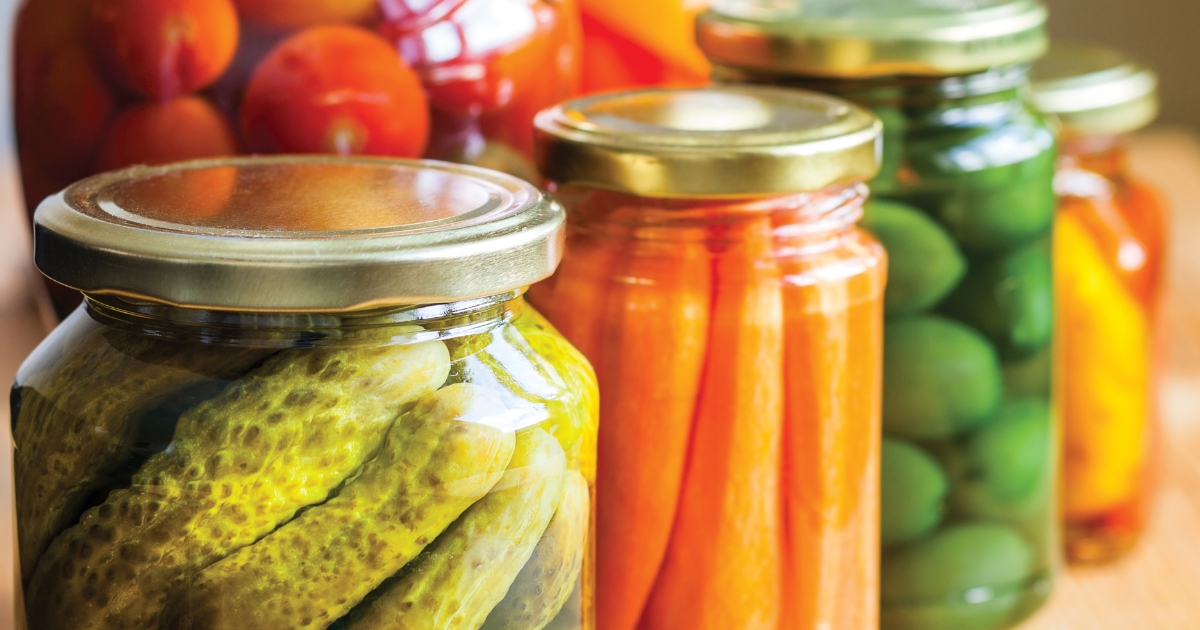
If there is one word that defines the Canadian gardening season from Pacific to Atlantic to Arctic coast, it is: short. As we cast our eyes south, we are impressed with the seemingly endless summer season in Texas, California, Florida and places in between.
Truth is, we can grow food crops that rival most any other place in the world, with a little planning. And once harvested, all that food can be “put up” in jars, dried or frozen for use in our “off season.”
We have extensive experience in the food garden, and at the table, where generations of Cullens have enjoyed preserved herbs, fruits, berries and veggies. Here is our list of the best food plants for preserving, however you choose to do it.
Green and Yellow Beans
If you like beans, you must like pickled beans,unless, of course, you don’t like pickles. Growing great long French snap beans is easy, but you need a sunny position in your garden or balcony (bush/snap beans grow well in large containers), and you must start your beans when the soil is warm and the threat of frost is well past. We grow beans in rows about 30 centimetres apart and sow seeds about 15 centimetres apart.
When shopping for bean seeds, be sure to look for varieties that are best suited to preserving. It will be stated in the small print at the back of the package.
Beets
Pickled beets are another favourite of the fall gardener and cook. You will need a sunny location and open, sand-based soil. All
root crops require a soil that is penetrable, otherwise, your carrots fork, your beets and radishes grow shoulders above the ground and potatoes rot. But we digress.
When sowing beet seeds, do not succumb to the No. 1 problem of beet growers: overcrowding. Space the seeds about eight centimetres or four inches apart in rows about 12 inches apart. Keep the ground weed-free, as beets are very competitive. If rabbits are a problem in your area, be sure to fence them out (we know, easier said than done).
Beets do not need additional fertilizer if the original soil is nutrient-rich and enhanced with generous quantities of compost. If
you do sow seeds thickly, be sure to thin the plants when young and use the leaves. Every part of the beet plant is edible.

Asparagus
The perennial food plant of the year. Every year we mention this as asparagus is hardy to Zone 2, or, almost anywhere that you can dig the ground and it receives reliable snow cover. The secret is a deep, well-drained location in the sun, and a minimum of six hours of sunshine per day.
To plant one- or two-year-old roots in the spring, dig a trench about 30 centimetres or 12 inches deep, about the width of a shovel or spade. Loosen the soil at the bottom of the trench and place the roots in the soil, backfilling about one-third of the soil by volume. Once planted, step on the soil to make sure that the roots are in firm contact with the soil and all air pockets are squeezed out.
As the roots sprout and new shoots appear above the soil, backfill about two or three inches (six to eight centimetres) at a time. By the end of the season, the trench should be filled in. This creates conditions that encourage tender shoots, which
will produce for many years. It is unlikely that you will harvest any asparagus spears until the third year, but after that, you will be harvesting for 25 or 30 years.
The enemy of asparagus, apart from heavy clay soil, is weeds. Be sure to get down on your knees early each season and pull the unwanted weeds out from between the plants.

Cucumbers
In short, many of us would just call these “pickles,” as in “pass the pickles, Uncle Peter.” Everyone knows what you are talking about, right? Truth is, there are many pickled cucumbers: dill pickles, gherkins, garlic pickles and more.
When you choose cucumbers to grow for use in pickling, skip over the English long varieties and look for Kirby cucumbers. They are not only the right size for your plate and, more to the point, the pickling jar, but they have a tough skin that stands up to the vinegar-based pickling liquid.
Sow seeds directly in the soil when temperatures are reliably above freezing. Or you can start them in four-inch pots a month
before planting outside. A sunny spot in the garden is a must. Cucumbers can take just about all of the heat that you throw at them.
Plant them against a support of any kind, just get them off the ground for best performance. Otherwise, the side of the cucumber that rests on the ground will turn yellow and not look very appetizing in the jar. Also, when you support your cukes above ground, you will maximize the quantity of your crop and the quality of the produce.
Harvest while young: an old cucumber is tough and does not make a great-quality pickle. While planning your pickle/cucumber garden, why not also grow some of the popular herbs that are used to enhance the flavour and quality of pickles? Garlic is best planted in October and harvested in late August. Dill is among the easiest herbs to grow, just make sure to plant in a sunny location.
After the plants bloom, let some go to seed naturally and you will find next year there will be many young seedlings to choose from in your garden. Weed out the unwanted characters as they can become aggressive (read: a nuisance). Rosemary, thyme and oregano are all popular herbs that can be added to your cucumber pickles. All of them originate in the Mediterranean and love hot, dry weather. Do not overwater them, plant in the sunniest position you have and clip the foliage regularly to encourage them to keep producing.

Onions
You can pickle onions or you can add the small ones to your pickled cucumbers. The secret to growing great onions is to plant the sets, or bulbs, early in the season in an open, sand- based soil. They are among the easiest veggies to grow, just make sure you have lots of sun and plenty of water during the hot, dry spells of summer.
Keep onions weed-free, which is why they invented the “onion hoe” about 300 years ago. Harvest when the tops bend over. It is amazing how an onion knows when it is ready for the kitchen pot – it just collapses on itself, much like potatoes, which go from standing tall and proud to collapsing or “spreading their stems and leaves” to tell the gardener that they are ready for harvest. (That’s another free, non-pickling related tip – after all, have you ever pickled a potato?)
Peppers and Tomatoes
It is easy to pick a peck of pickled peppers. All you need is enough yard space for them to grow and plenty of sunshine. This is also true of tomatoes, which preserve well in the freezer in zip-top bags with the air squished out. Tomatoes and peppers are
in the same family, and growing requirements are much the same. Tomatoes grow bigger and more quickly than peppers and take up substantially more room, even when staked high. For this reason, you can generally grow about four pepper plants in the same footprint as one tomato, about one square metre. Arguably, peppers are more productive and never need staking.
Grow peppers in compost-rich soil that drains well, as they do not like wet feet, and they will not require additional nutrients.
Tomatoes, being bigger and more aggressive, benefit from mid-season applications of compost tea or other organic-based fertilizer.
Both tomatoes and peppers need to be harvested as the fruit becomes ripe. This is important, as fruit left on the plant will rot and reduce the ability of the plant to maximize fruit bearing.
Paste tomatoes like San Romano or Romo varieties are most popular for preserving. Mary, Mark’s wife and Ben’s mom, reminds us that she freezes all kinds of tomatoes for use in winter soups. Some contain more water than others.
Final note on this subject – to state the obvious – when you do pick your peppers, they are never pickled, in spite of what the rhyme says. You have to do the pickling.

Peaches
We have a friend who annually puts his canned peaches in the local farm fair competition and most years, he wins. We find this slightly objectionable, as his peaches are procured at the local farmers’ market, not grown by him in his yard (though, they could be if he wanted!). That said, it seems that his jarred peaches are judged not for their locally grown qualities, but the methods employed in jarring.
We don’t know anything about that. But if you want to grow great peaches, we are here for you. Start with your growing Zone: 6.
Here in Canada, we have a lot of growing zones, and Zone 6 can be found in Niagara and the centre of Toronto (heat island effect?) but not in Montreal, Ottawa, Barrie and certainly not on the Prairies. That leaves out a lot of Canadians. But, if you happen to live in Zone 6 or higher (i.e. warmer), we have good news for you: Peaches are not hard to grow.
Choose an open area in your yard about four metres by four metres with lots of sun. Plant one or more peach trees come spring. Thankfully, they are self-fruiting, which means that each tree will set fruit with their own pollen.

Raspberries
One of the easiest, winter-hardy fruits to both grow and freeze for later use are raspberries. They grow in a wide variety of soil conditions, though not so well in clay. They have only a handful of insect and disease problems generally, and they will
produce year after year for up to 10 years, with proper maintenance.
They do require a minimum of six hours of sunshine and judicious pruning after they have finished fruiting. July-bearing varieties lend themselves to late summer/early fall pruning, while late-season bearing varieties are best pruned in winter or early spring. When pruning, cut the one-year-old stems down to about knee height, and remove all of the dead canes, which are usually two years old or older.
Keep your raspberry patch as weed-free as possible. Raspberry care is best undertaken while wearing a good pair of leather gloves with a collar that extends up your forearm. The prickles on raspberry canes are a nuisance, but worth tolerating.
If preserving the fruit is your primary aim, we recommend the early-summer-bearing varieties like Boyne, as they bear quickly and en masse, versus the fall-bearing types, which produce a smaller crop over a longer period, about early August
through late fall.

Garlic
You could pickle garlic or, as most people do, cure and store the bulbs in a cool, dry place for many months. It does not get any easier to preserve than that. But garlic is an outlier in the food garden. We plant garlic in the late fall, about a month before the heavy frost, which is in late November in our Zone 5 gardens. You harvest the pig-tail-shaped scapes in July and garlic bulbs in early to mid-August. After digging them up, dry them in the sun for about a month before use.
Tie several together and hang out of the sun in a well-ventilated, cool place until use.
Garlic is about as easy to grow as any food crop and most insects and diseases don’t like it. Every part of the garlic plant is edible. If you really like it, experiment with various recipes that use fresh garlic and use to taste. Given the lingering and pungent flavour of fresh garlic, expect different levels of tolerance on the part of your friends and loved ones.