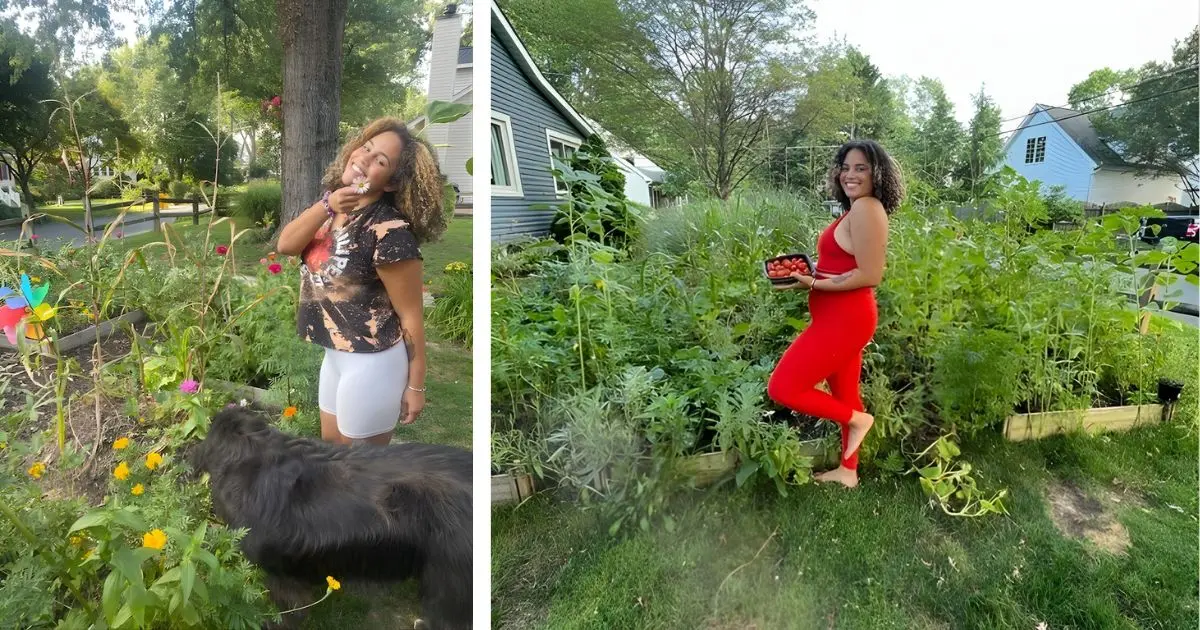


This list has something for everyone, regardless of the colour of your thumb or size of your garden (or even lack thereof).
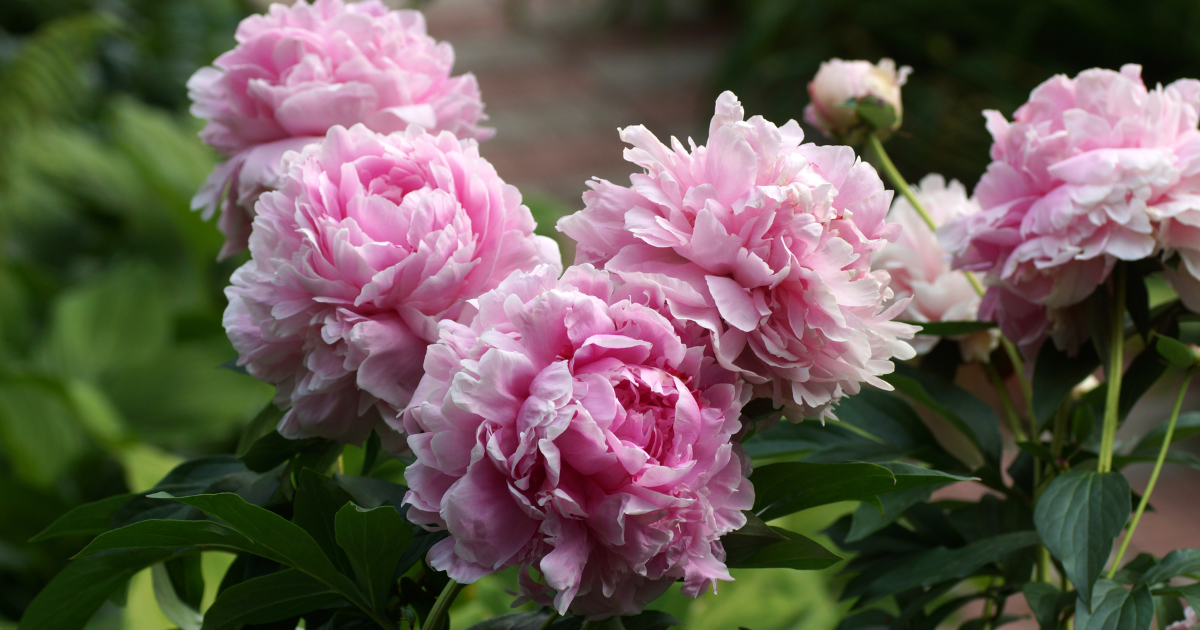
1. The Winner’s Circle Peony (paeonia officinalis)
If there was a popularity contest for flowers, this year, peonies would win the prize. And, in fact, there was, and, in fact, they did! Perhaps they are in-demand because of their limited availability (sadly, peonies only flower for approximately 7-10 days), one could argue it is simply their stunning beauty that sets them apart. You can be certain they will be the stars at plenty of weddings this summer.
FUN FACT: Apparently, the peony was named for “Paeon,” the Greek physician of the gods, who discovered its medicinal benefits. Another legend says Paeon was given the flower atop Mount Olympus from the mother of Apollo.
2. Summer Brides: Dahlias (dahlia pinnata)
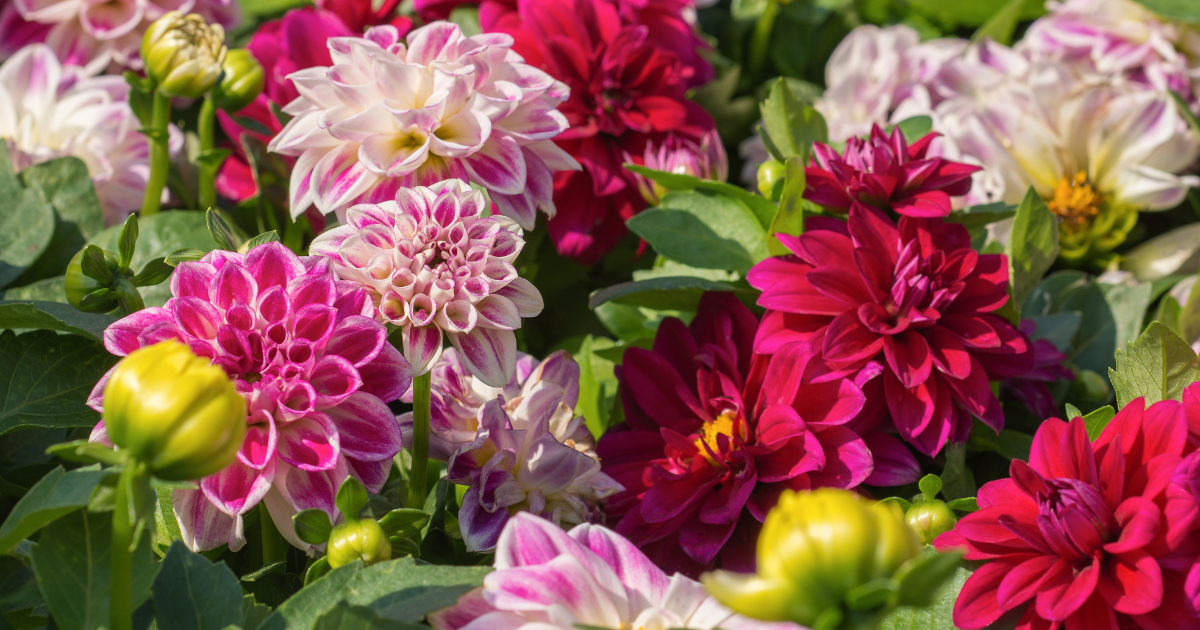
While peonies may be having a trendy bridal bouquet moment, Dahlias have a long-established role at weddings, and not just because they are beautiful: They represent inner strength, creativity and elegance, and, during the Victorian era, they were a symbol of commitment and an everlasting union. Since they come in every colour but blue (and like most flowers, there is no pure black version), their darker, muted hues of burgundy, mauve and grey will fit right in with the “goth gardening” trend we are seeing in 2024.
FUN FACT: In the 1800s, a London newspaper offered £1 to any geneticists to develop a blue dahlia but the
reward has never been claimed.
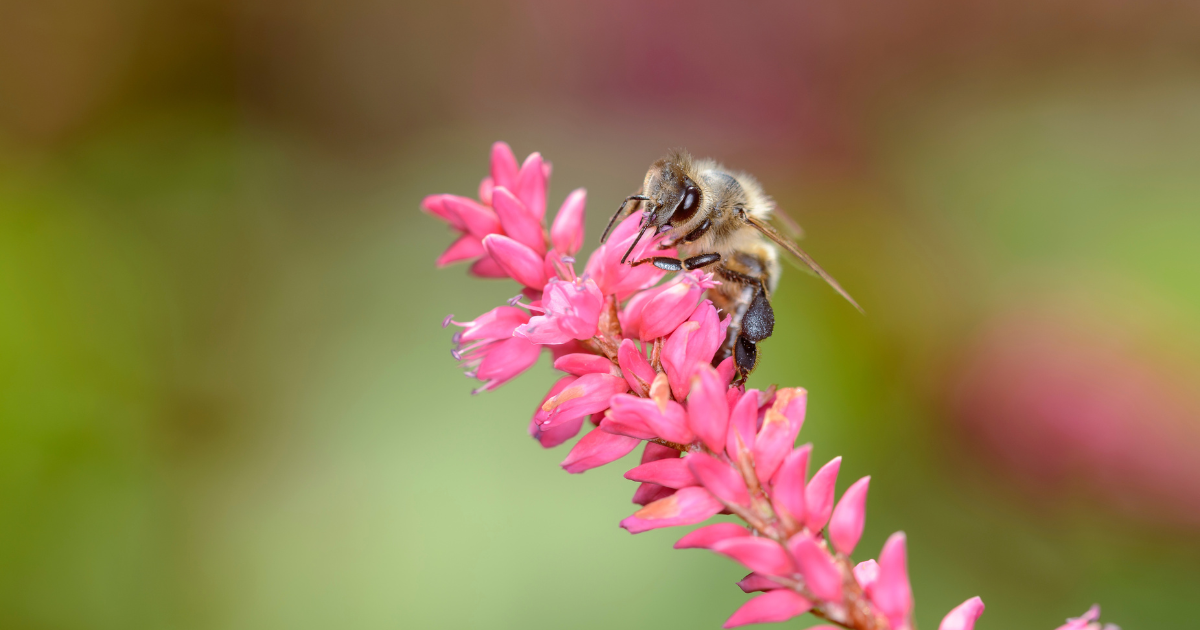
3. The Cottager: Kiss-Me-Over-the-Garden-Gate (persicaria orientalis)
Also known as Prince’s Feather, this is a cottage garden “must have” thanks to its large, bright red flowers that can last through to October in some parts of the country. It grows best in full sun, requiring at least 6 hours a day, but can handle a little shade. It’s also attractive to pollinators, like bees and hummingbirds, perfect guests when you are at the lake.
FUN FACT: Kiss-Me-Over-the-Garden-Gate isn’t plagued by many bugs—another reason it works well in cottage country.
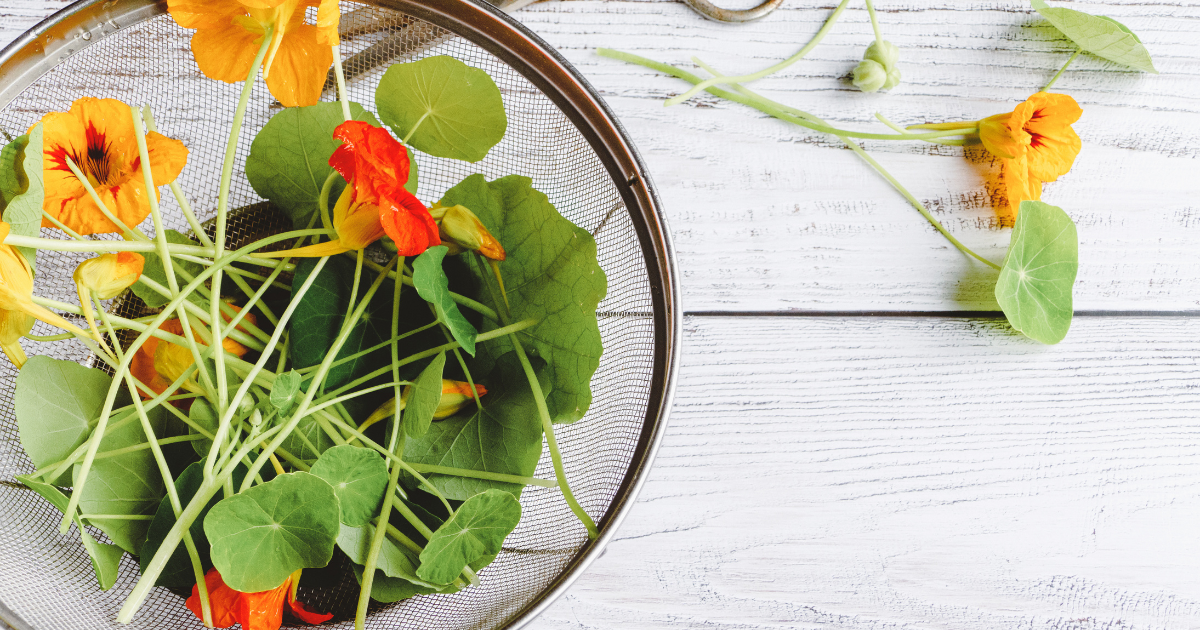
4. The Home Chef: Nasturtium (tropaeolum majus)
Nasturtiums are known for their vibrant, jewel-toned flowers and distinctive round leaves. Both the flowers and leaves of this vibrant, jewel-toned flower are edible, with a peppery taste reminiscent of watercress. For this reason, Nasturtiums are often used in salads, as garnishes, or even pickled.
FUN FACT: Edimentals–a term coined by writer Stephen Barstow of Norway to describe edible, attractive plants like Nasturtium–are becoming very popular.
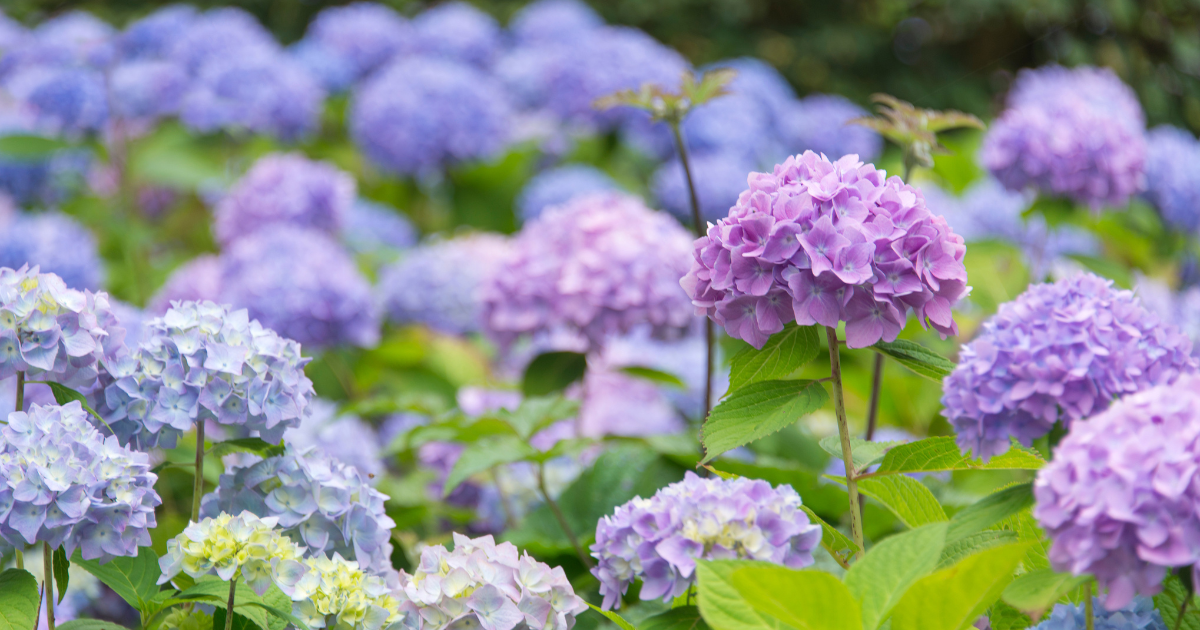
5. The Gambler: Hydrangea (hydrangea macrophylla)
Sure, we all think of Jade Plant (crassula ovata) or Money Tree (pachira aquatica) when we think of plants that bring luck, but we wanted to highlight a beautiful bloom so for that reason, hydrangeas make the cut. Hydrangea could have also been included in the Summer Bride and Interior Designer categories. Legend has it adding hydrangeas into your flower arrangement will invite good fortune into your home, and adding a purple hue ups the ante even more as they symbolize abundance and prosperity.
(NOT SO) FUN FACT: Unfortunately, the entire plant, including the flower buds, is quite toxic to pets and children, as all parts contain traces of cyanide.
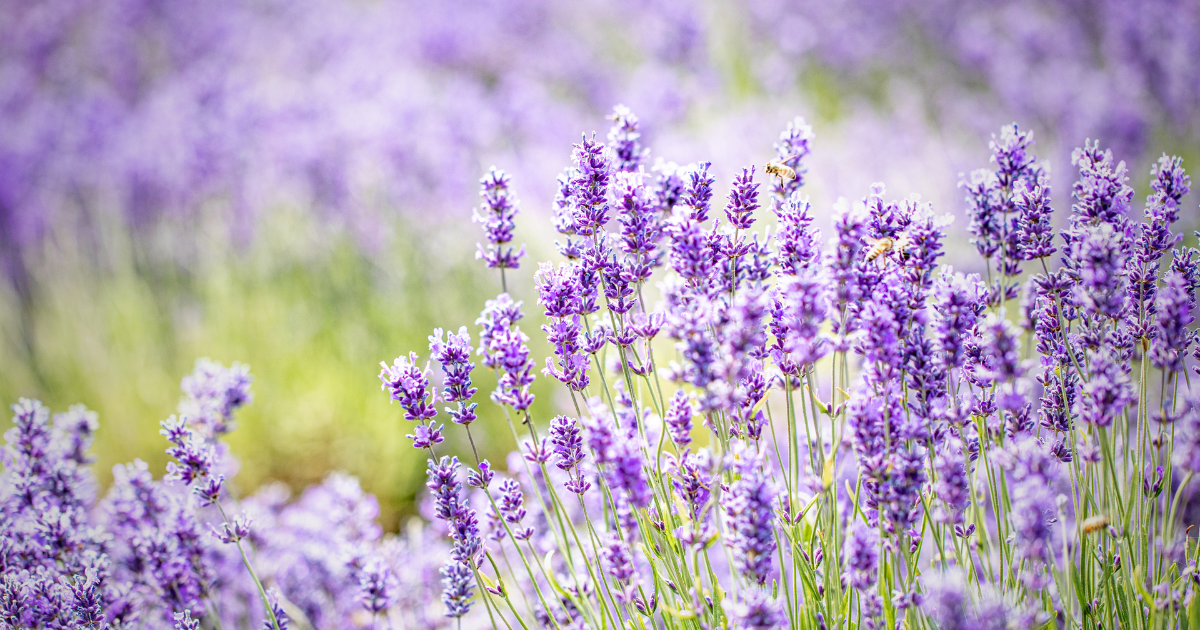
6. The Crafter: Lavender, a.k.a Engish Lavender (lavandula angustifolia)
There isn’t enough space here to list the myriad uses of lavender. It has many healing qualities too, but it is all the fun things you can make with it (especially when it is dried) that earns its spot in our top 10 list: soaps, jewellery, wreaths, scented candles, sachets, salt scrubs, bath salts—and then there are all the ways to cook with it as well! Be sure to share your lavender DIY projects and recipes on Harrowsmith’s Facebook page.
FUN FACT: Lavender is said to bring good fortune, too, and is also a great pollinator-friendly plant.
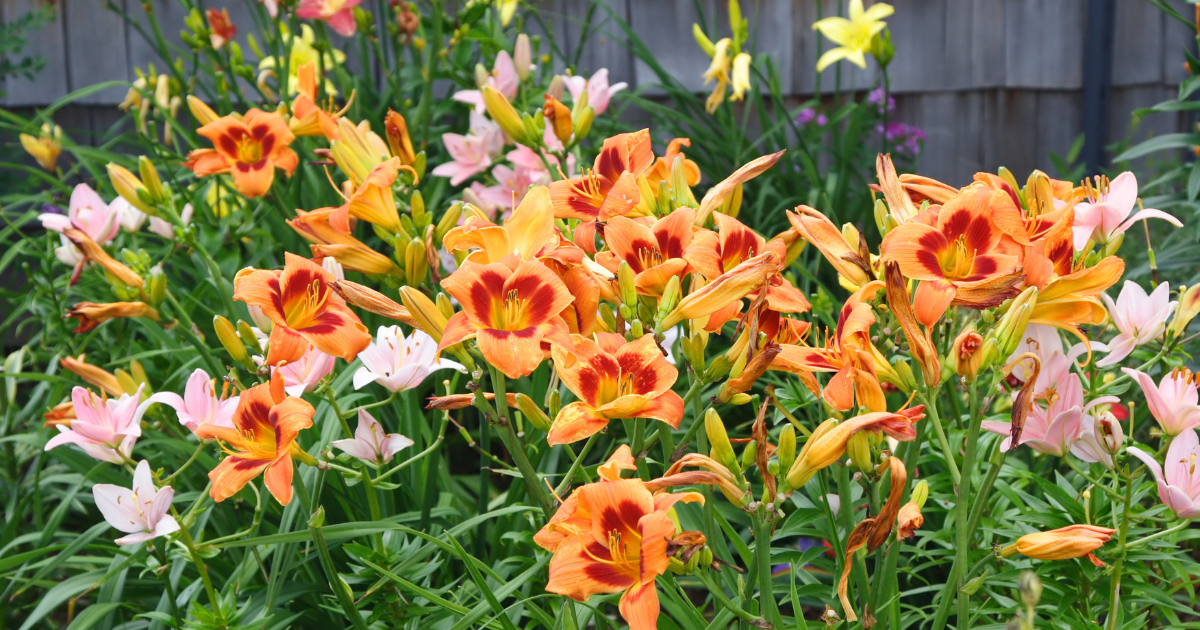
7. The Rookie: Daylilies (hemerocallis)
For anyone just starting out on their gardening journey, it’s very hard to go wrong with daylilies: They are known for their adaptability, are easy to grow, can grow in a wide range of soil conditions and climates, and come in a variety of colours to please anyone’s design taste. As their name suggests, each individual flower typically lasts for just one day but each plant produces numerous buds, resulting in a continuous display of flowers throughout the blooming season, making even the most inexperienced gardener look good.
FUN FACT: Daylilies are also “edimentals”.
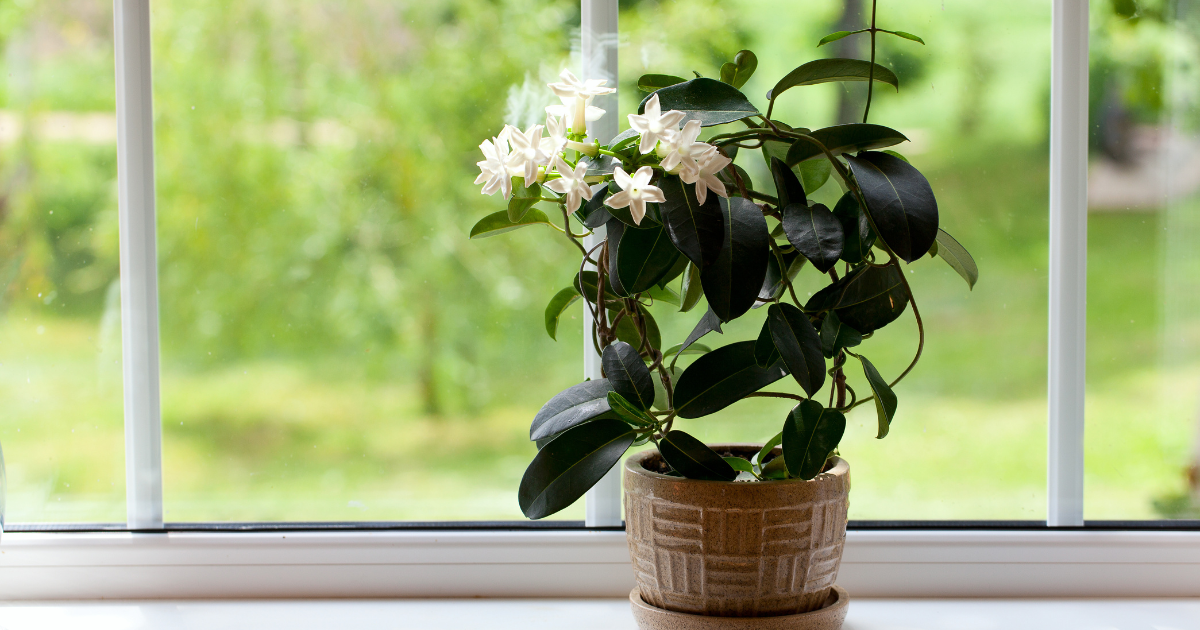
8. The Condo Dweller: Jasmine (jasminum polyanthum)
If you have little or no access to an outdoor space, look no further than Jasmine. The blooms may be small, but the unmistakable fragrance is intoxicating, making it beautiful and useful in small spaces. Placing them near a south or west-facing window can provide the necessary light for healthy growth, and they generally thrive in warmer temperatures, making your controlled heating system in your home the perfect, stable climate for them to grow.
FUN FACT: Jasmine is one of the most expensive essential oils due to the labour-intensive process of extracting the oil from the delicate blossoms.
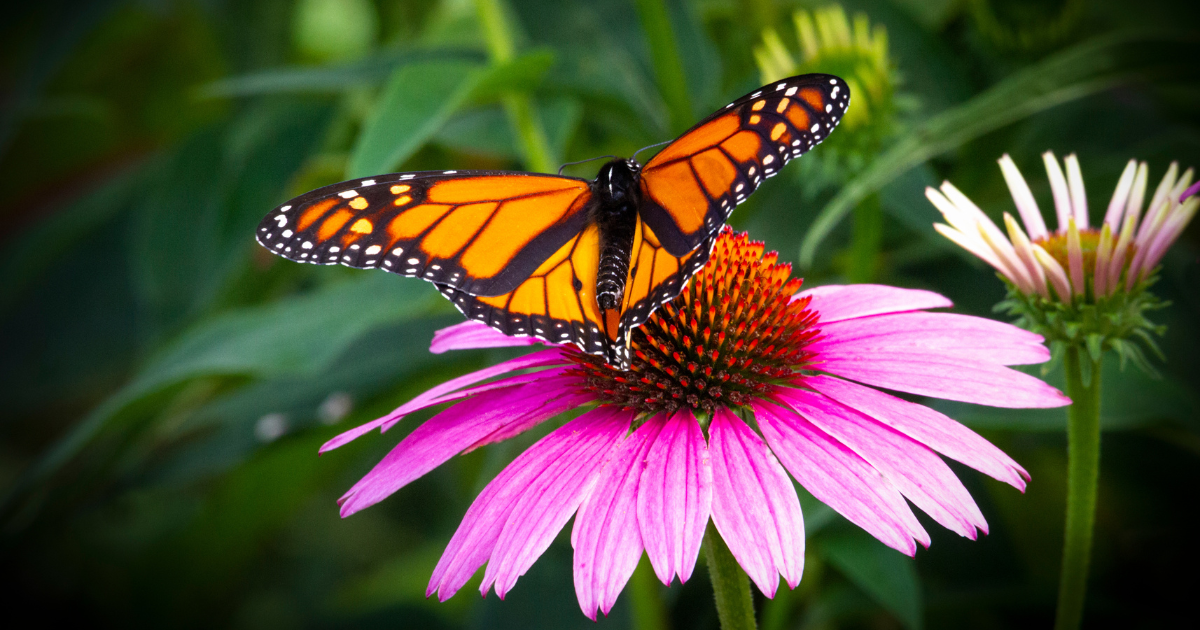
9. The Anthecologist (or pollination biologists): Coneflower (echinacea)
Coneflowers are not only attractive but are also well-adapted to Canadian weather conditions. They come in various colours (see FUN FACT below) and, as you are probably already aware, are known for attracting pollinators. The purple coneflower (E. purpurea) is the most common and highly attractive to a wide range of pollinators like bees, butterflies and even caterpillars.
FUN FACT: Fluorescent and lime green are big colours in gardening this year, so If you want to earn bonus points, try Coneflower Coconut Lime or Green Jewel.
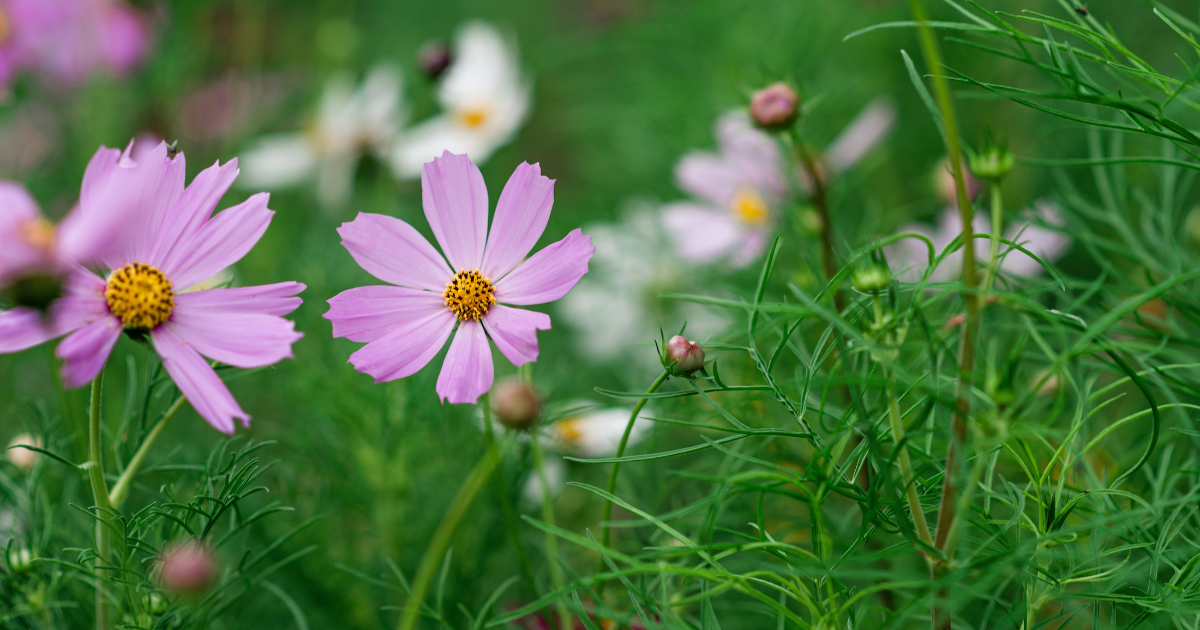
10. For the Interior Designer: Cosmos (cosmos bipinnatus)
Cosmos have held a longstanding relationship with floral arrangers and home decorators thanks in part to their wide range of hues including white, pink, purple and various shades of red, allowing designers to complement or contrast a home’s overall colour scheme. Their long stems can add vertical interest to indoor spaces, creating a dynamic visual effect. Add their slightly wild appearance, and they bring a touch of mother nature inside. (And let’s not forget, if you do grow them outdoors, they are excellent attractors of pollinators.)
FUN FACT: Their name comes from the Greek word “kosmos,” which means “harmony,” or “ordered universe,” reflecting the orderly and balanced arrangement of the petals on the flowers.