
When it comes to gardening and the outdoors, there’s one thing for sure: a new generation of young plant enthusiasts is leading the way in prioritizing sustainability. Generation Z, born from the mid 1990s to early 2010s, is the first generation born with immediate access to the internet. Also known as Zoomers, they often get their gardening information from social media.
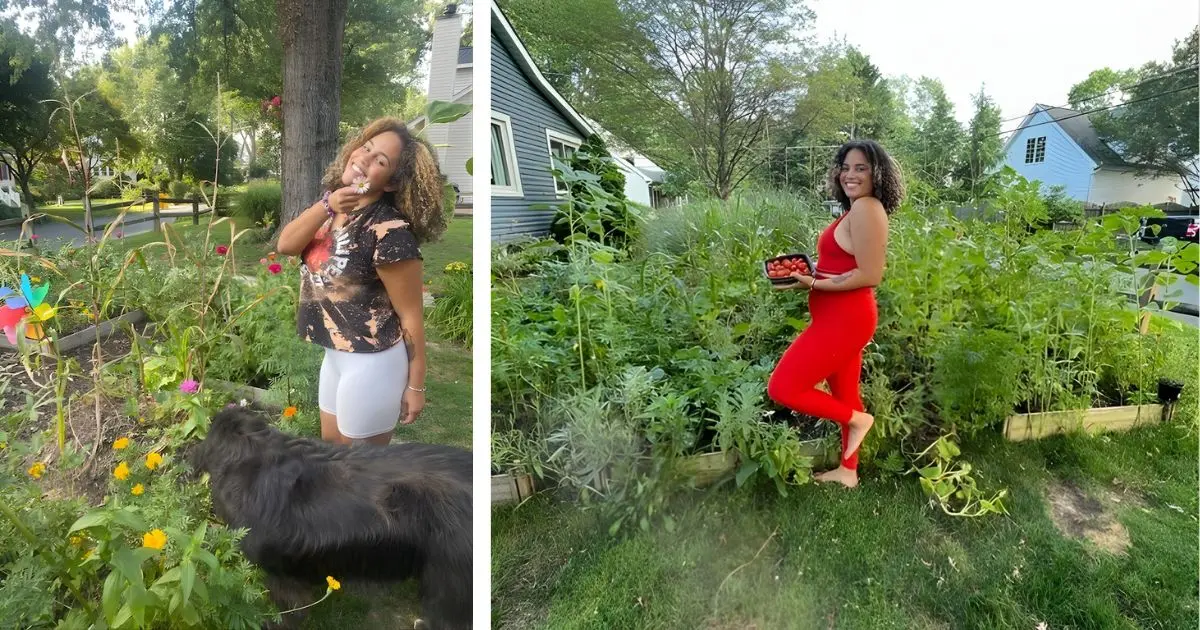
Take Ayia Lindquist (@ayiayaya on TikTok and Instagram), who is on a mission to transform how people interact with the natural environment. “I have seen the impact of climate change since I was three years old,” she explains. For Ayia, it’s personal. She emphasizes that “the only way we can achieve community-scale healing is by connecting people with nature—especially for Black and Brown communities, who often do not have equitable access to green spaces.”
In her post-grad gig, Ayia joined forces with an environmental nonprofit, Plantation Park Heights, to promote urban gardening and provide free food boxes to the community. “We got our hands dirty, spending long summer days setting up irrigation,” she says. “It was a lot of sweat equity, but it was worth it.”
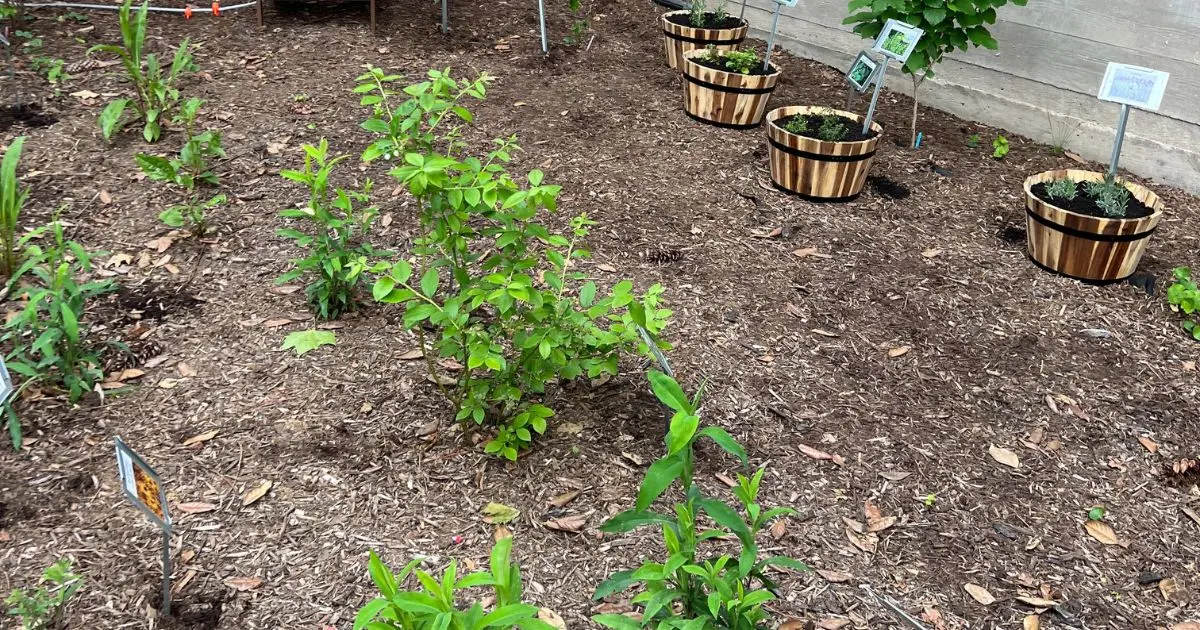
Ayia didn’t stop there. She realized that, “we must care for the environment if we want a future.” So, guess what she did? Ayia founded a nonprofit called Gardens for Connection and planted her first sensory garden at a local library, complete with native plants and signage. “There are elements of the garden that impact smell, taste, hearing, sight and touch,” she says. “Our senses help ground people in nature.”
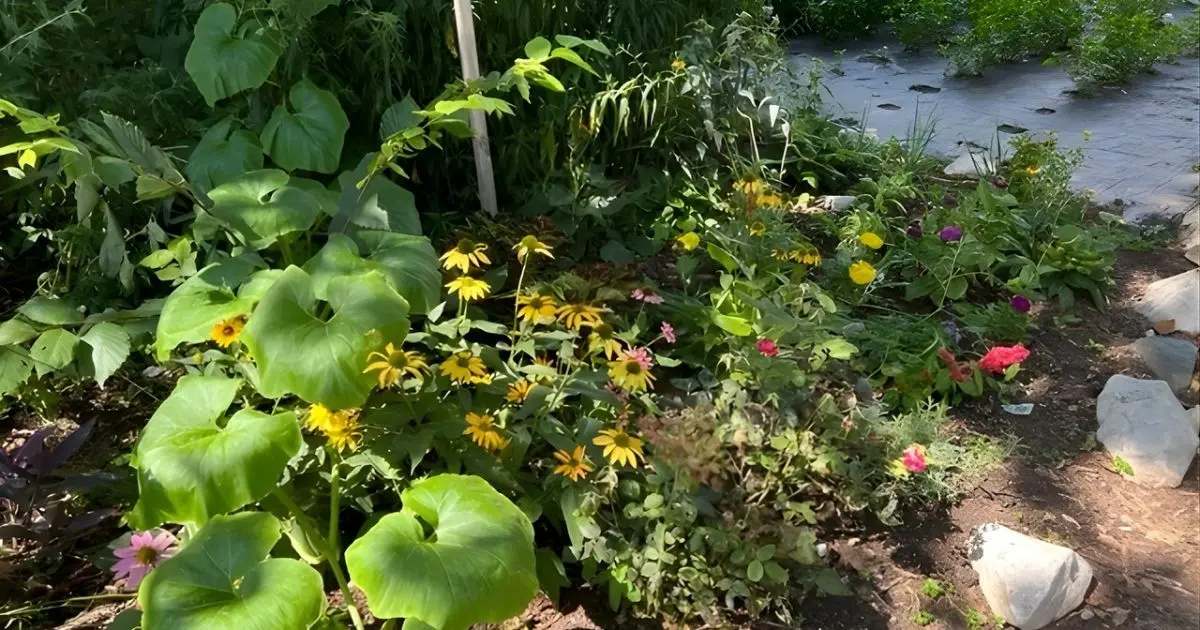
Young people are all about reducing waste and doing what they want. Consider chaos gardening, a practice of chucking out perfection and welcoming a little disorganization. Ayia thought, “Let’s throw seeds in the ground and see what sticks”. Now, her backyard can only be described as a “food jungle”.
However, chaos gardening is only the start. Survival gardener Seth Larsen (@SageSmokeSurvival on Instagram and TikTok) is shaking up today’s gardening scape and reviving the oldest forms of food production—regenerative gardening. In 2022, he grew 300 pounds of potatoes by covering sprouted spuds with six inches of hay and regular watering. He advocates for “slash mulching,” which involves replacing soil with a layer of cut-up native plants. “The microbes in the soil break down the nutrients in the soil,” he says in a TikTok video. Bonus: Forget about pesky weeds because there’s no exposed soil.
For those lacking outdoor space, no worries! Megan Blacquiere, TBG Seasonal Horticulturist, uses small spaces to her advantage by making terrariums. “My interest in terrarium building was born from curiosity and a query,” she says. “Could I turn my crystal head vodka bottle into a terrarium?” The answer is, of course, yes! Megan says, “From there, it blossomed into the wonder and magic of creating a miniature world behind glass.”
The trend aligns perfectly with Ayia’s observations. She predicts that young people will continue to be captivated by repurposing and filling empty spaces. Unlike older generations who may prefer romantic and minimalist designs, Ayia says that younger generations embrace maximalism, focusing less on achieving perfect aesthetics and pristine lines; instead, they are inspired by the beauty found in chaos. “Anti-perfectionism will be the goal in 2024—a recipe for making nature and sustainability accessible for everyone.”