

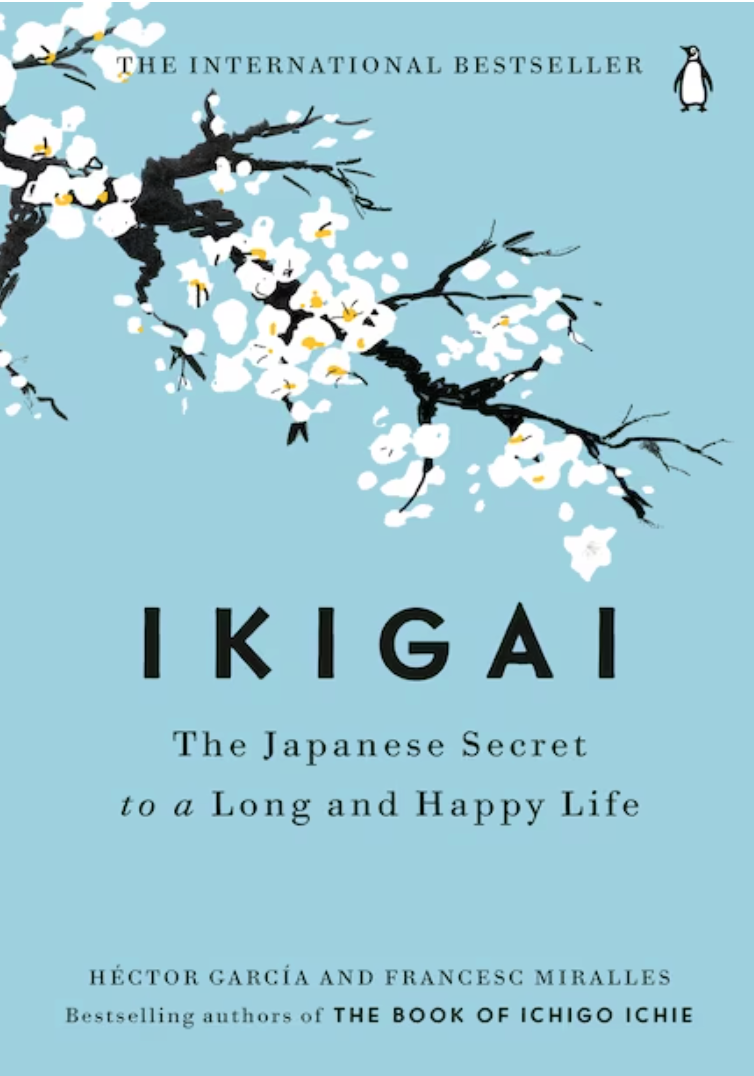
The international bestseller “Ikigai: The Japanese Secret To a Long and Happy Life” by Héctor García and Francesc Miralles hit bookshelves in 2016 and was marketed as a self-help book for those looking for their purpose in life. (According to the authors, Ikigai — pronounced EE-KEY-GUY — means “the happiness of always being busy.”)
The Coles Notes for those who don’t own one of the 1.5 million copies sold: Ikigai represents a way of life that emphasizes finding purpose, fulfillment, and joy through the intersection of four key elements: Passion, mission, vocation and profession. By identifying and pursuing activities or endeavours that incorporate all of them, individuals can find their “raison d’etre.”
Finding one’s Ikigai is a daunting task for many. Still, Garcia and Miralles show us it may be easier than we think if we look at the relatively simple lifestyle of the residents of õgimi, a village located in the northern part of the main island of Okinawa, Japan. Here, the villagers not only have the highest average life expectancy in Japan (more than 100 villagers are 90 years old or older out of a population of 3,500), but they are also very happy being busy while they live that long.
After interviewing and studying these centenarians (and even some supercentenarians), the authors concluded that there are Ten Rules of Ikigai. One could interpret the rules as the lifestyle habits that enable
the residents of Ogimi to live long and enjoy their Ikigai, while others use the rules to help guide them to discover their own Ikigai. Either way, the Ogimi way of living seems to be the way to go if you want to live a long, happy and healthy life. (And who doesn’t?)
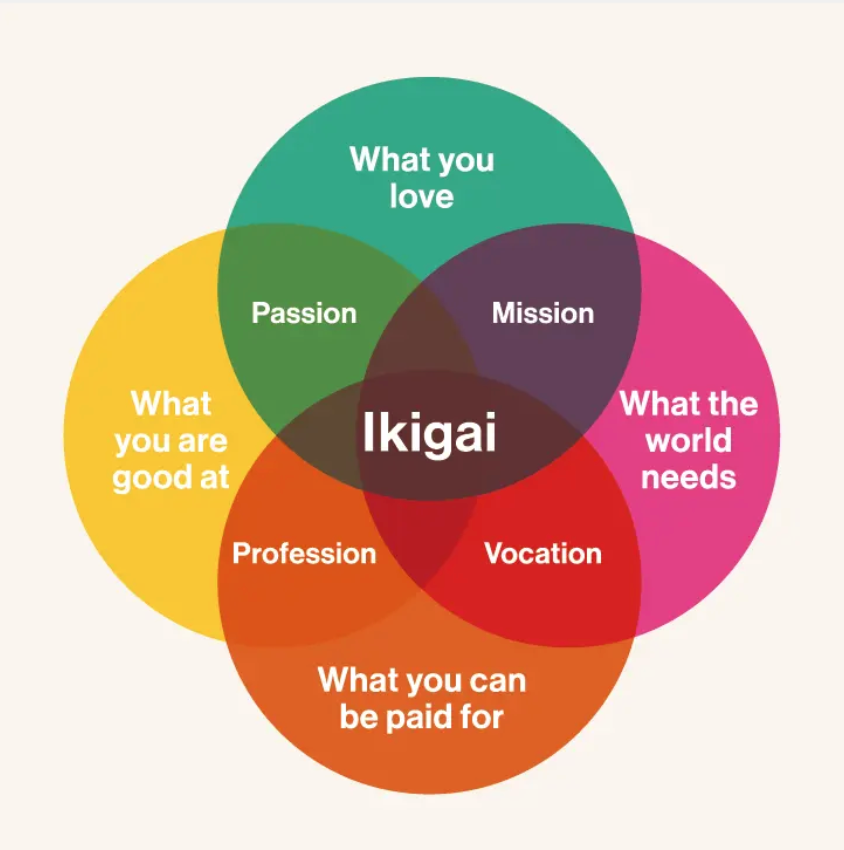
So, how does a Canadian embrace a lifestyle similar to a supercentenarian from a remote Japanese island, as described by two Spaniards?
- Stay Busy
The sentiment in Okinawa is that we should never want to stop working because we should have found our Ikigai. (There isn’t even a Japanese word that means “retire.”) But those of us in the True North aren’t brought up in that kind of environment. (We know what an RSP is before we even turn 30.) However, waiting until we are 65 years old to start doing what we love doesn’t make sense and could be costly to our health. There is no better time than now to start exploring different ways to be — and stay — active, both mentally and physically. Being creative (write, paint, play music), continuing to learn and stay curious (take an online course, join a book club), exploring new hobbies or sports (if you have a phone, you can be an amateur photographer, and did somebody say pickleball??), launch a side hustle — the options are endless.
- Take it Slow
While this may seem contradictory to the previous rule, it is quite complimentary. Being busy doesn’t mean you have to live in the fast lane. Not surprisingly, the residents of Ogimi practice mindfulness through meditation, deep breathing exercises, and engaging in activities that bring them joy and relaxation. We can do the same by choosing tasks that allow us to relax. And if we have something on our To Do List that isn’t high on our Chill Out List, we should take a page from Ikigai and try not to multitask and take pride in our work. If we feel overwhelmed, we could try the Pomodoro technique: Focus on one task for 25 minutes, take a five-minute break and repeat until the task has been completed. (Fifty minutes and a ten-minute break apparently works, too.) - Eat Well
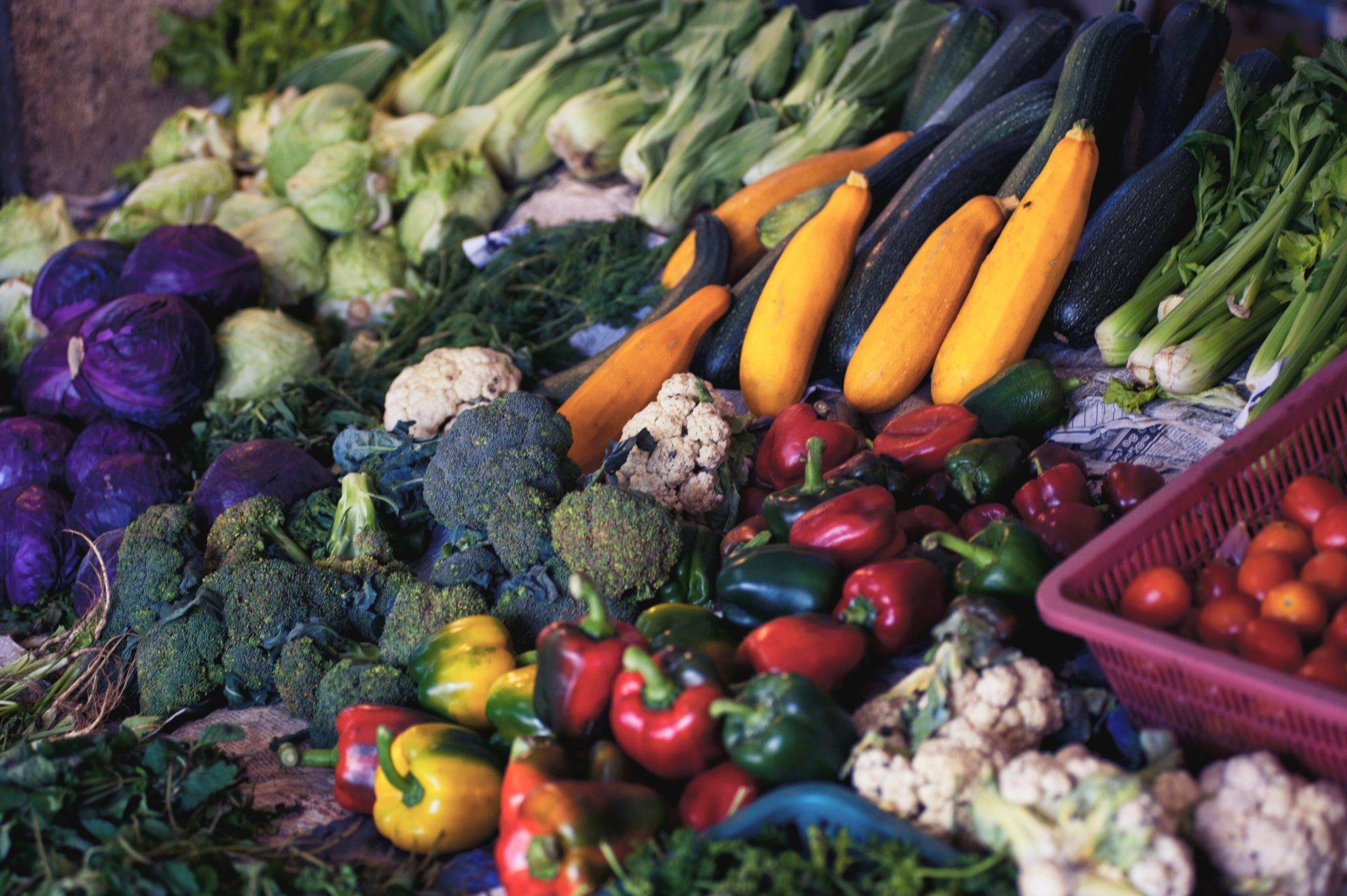
One hundred percent of the Ogimi villagers interviewed keep a vegetable garden. While we may not share the same climate, most of us are fortunate enough to have access to fresh produce year-round.
Hitting our local farmer’s market and selecting local, seasonal food at the grocery store is a start. Even
if you don’t have a green thumb or the space for an expansive garden, growing potted vegetables and
fresh herbs takes little space, time, talent or money. (For inspiration on how to grow your own food, click here.)
- Have a Rich Social Life
For senior citizens, the Ogimi sure know how to party! They celebrate everything together: birthdays, anniversaries, holidays, sporting events, etc. Nurturing relationships and revolving their lives around
their community keeps them young at heart. But the secret sauce is not just making friends but keeping
them. Toss aside the TV clicker and get out into your community: host a street party, support cultural events, attend an arts festival, join (or start) a book club — these are all ways we can celebrate (and strengthen) ourselves and our communities. - Exercise
“Get in shape for your next birthday” is the phrase used by the villagers. And North Americans are no strangers to the fitness craze. However, the difference is that the Ogimi lifestyle focuses not on how much they exercise but rather on how much they move. It’s not about how many calories they burn or what the scale tells them. It’s about walking or biking to work, waking up early, gardening (yep, it’s considered exercise!), doing yoga or trying something new like qigong or tai chi. You don’t need to go to the gym every day or run a marathon. Google, YouTube and our great outdoors mean there are always options and inspiration at our fingertips. - Smile
We’ve all heard it: Don’t worry, be happy. (And now you probably won’t be able to get the song out of your head.) Keeping a positive mindset is paramount for the Ogimi community. Being passionate about everything they do helps, too, as does celebrating as often as possible, even the little things. Making a
concerted effort to find joy every day and literally just smiling creates happy emotions and memories. Like any new habit, it just takes a little focus and practice. Not feeling it? Try keeping a Joy Journal: Every
night, jot down at least one (more if possible) thing that brought you joy that day: your dog, a flowering tree, or the first snowfall of the season. As the days progress into weeks, you should start to see a pattern of activities that make you happy. (If you don’t find one, keep journaling, it will come.) Once established,
incorporate them into your daily life as often as possible until they become rituals. - Connect with Nature
Now this is something we Canadians are experts in! Our coast to coast to coast landscape offers something for everyone: Hiking, fishing, biking, rafting, rock climbing, gardening, swimming, etc. But don’t get stuck in your ways: There’s always something new to try. Have you heard of grounding, also known as earthing? It’s the simple practice of making a physical connection between your body and the earth — like walking barefoot on a sandy beach or lying down in a field of grass. The Japanese also coined the term shinrin-yoku or forest bathing, which is pretty much exactly as it sounds: spending time in any
natural environment and consciously connecting with what’s around you. (Perhaps we should invent a more scientific-sounding term for making snow angels??) - Give Thanks
The Ogimi villagers take time out every day to thank their ancestors, mother nature, friends and family, and anyone or anything that makes them feel fortunate and thankful. They believe recognizing and appreciating the large and small gifts that come their way leads to even more happiness in the future. Western medicine takes it a step further: According to the Mayo Clinic, gratitude can decrease depression, anxiety, chronic pain issues and risk of disease. That is reason enough to add a daily gratitude bullet to that aforementioned joy journal. - Live In the Moment
“Stop regretting the past and fearing the future.” “Today is all you have. Make the most of it.” “Make it worth remembering.” We’ve all heard the lingo. However, the villagers show us that we should take time to find joy in our everyday lives — even mundane chores like doing the dishes, grocery shopping or shovelling our sidewalk. “Rituals over goals,” they say, and “happiness is in the doing, not the outcome.” Consider these nuggets of wisdom the next time you are stuck in rush hour traffic…. - Follow Your Ikigai
When you do something you enjoy so much, you lose track of time. Singing, painting, cooking, gardening, reading and before you know it, hours have passed. That’s the power of flow: the pleasure, delight, creativity and process when we are completely immersed in our life. Being in that state of flow is living your Ikigai. The Ogimi community shows us that if we keep track of the activities that make us enter our flow and then we increase the amount of time, we spend doing those activities, that will lead us to our Ikigai. However, they also teach us that there is no perfect strategy to connect with our Ikigai, and we shouldn’t worry too much about finding it. If we follow the 10 Rules and keep busy doing the things we love while surrounded by the people who love us, it will naturally evolve.






Now, doesn’t that sound very Canadian?