
Beth Kapusta, Canada’s “tomato queen,” takes us on her journey from a young gardener to an aficionado of the world’s most consumed fruit (and notice we didn’t say “vegetable”).
My love of the tomato began when I was around eight years old, the de facto first-born male child of an Eastern European father of three girls. From an early age I worked the garden in the rich, sandy soil of the Norfolk Sand Plain in Delhi, Ont., an almost identical glacial deposit to the one that made my “adult” garden near High Park in Toronto.
My father soon abandoned the garden to us children, and I remember years when we would have dozens of tomato plants for a family of five – not the exotic heirlooms I have, but the classic staples that were already started in greenhouses: Burpee Big Boys, luscious Beefsteaks, prolific cherry tomatoes. We would fertilize them with well-rotted manure from our own horses, and I soon came to use a rototiller like a pro. I think it was my labours with the soil where I learned work ethic.
No matter where I have lived, including the impossible seasonal moves of a co-op student in architecture school, I managed to put in at least a couple of plants every summer. Even my current hybrid raised planter/soil bed garden in downtown Toronto is a kind of a miracle of tomato productivity from the eight or nine plants I put in every year.
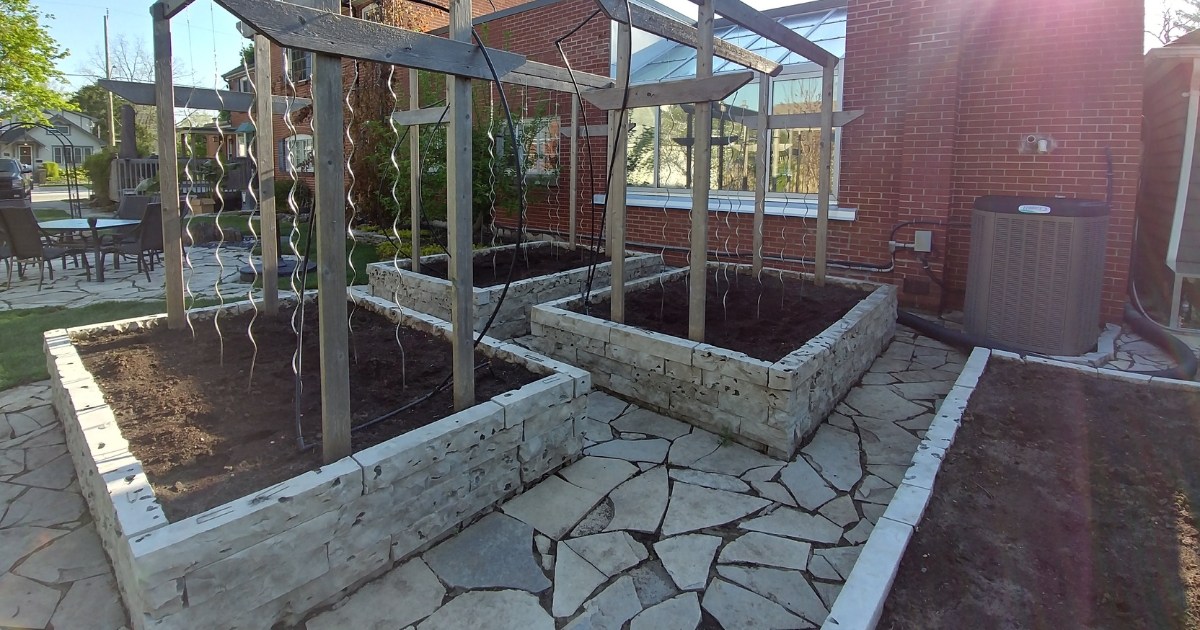
Having such a garden greatly decreases the need to buy fresh produce starting in May and June, when stinging nettle, wild garlic, asparagus, wild arugula, strawberries and zucchini flowers announce the arrival of fresh produce in Southern Ontario. But designation of the greatest moment of the season is always reserved for the first tomato “popper” in late July or early August. Tradition dictates the passing of that first popper directly from vine to hand to mouth, for that most primal act of gathering.
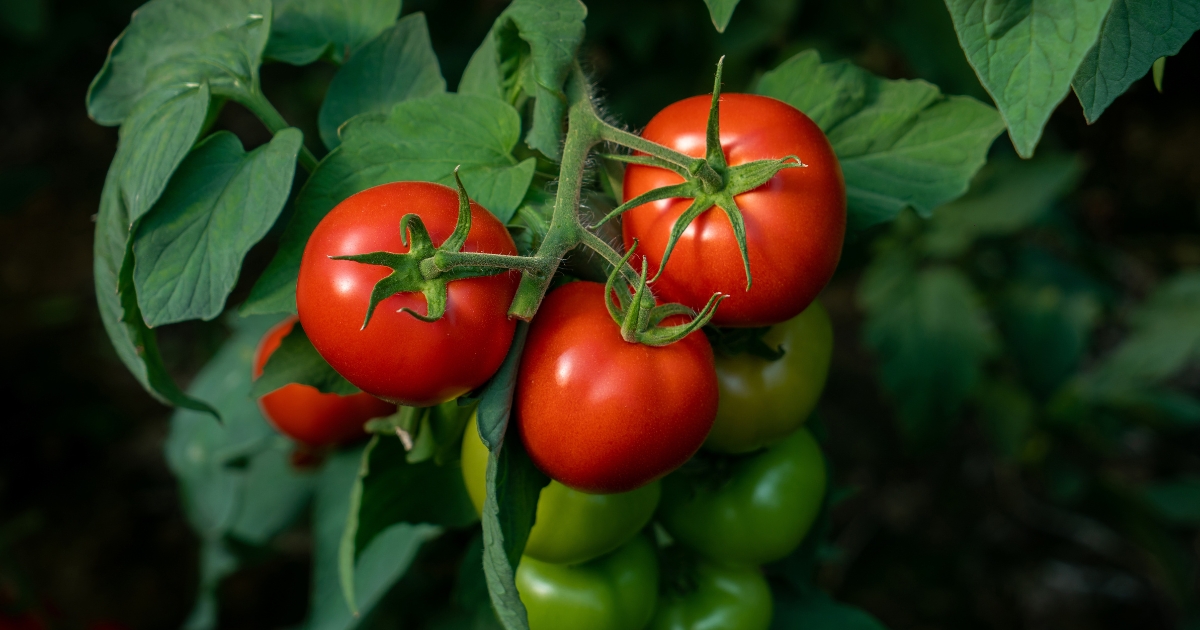
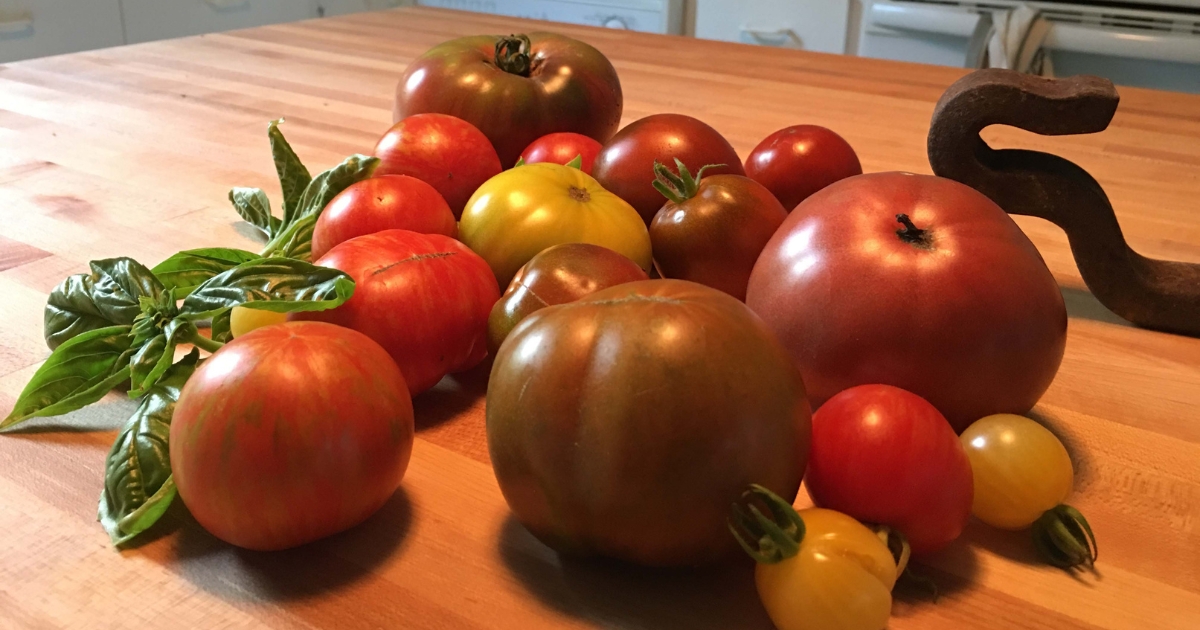
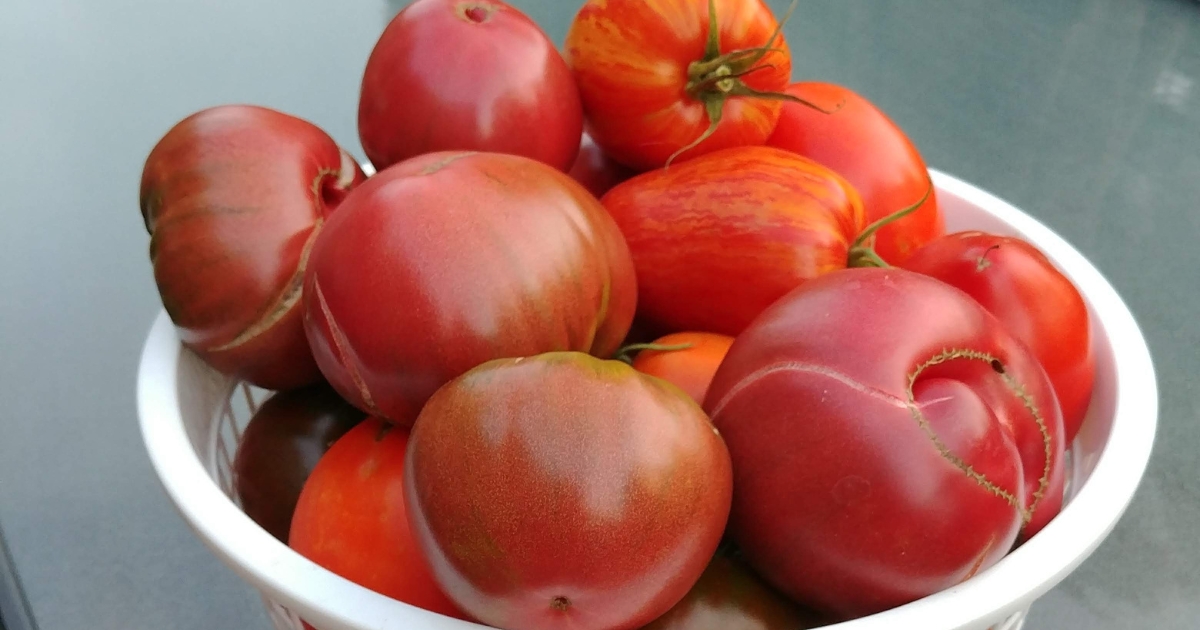
Usually the first tomato to ripen is the Tigerella, one of the most beautiful of the heirloom varieties, with its vertical striping of orange and red bands and sweet flesh. Each heirloom variety invariably possesses a specific virtue that renders it commercially challenged.
For instance, the deeply scored flesh of the Cherokee Purple will be bruised by even a short trip in a bag. Each tomato has its own character and application: The nearly perfect acidity of the golden green Garden Lime makes it a perfect eating tomato; and the purplish black flesh of the Purple Prince is meaty, rich and stunningly beautiful and nothing could be more perfect with buffalo mozzarella and a fresh sprig of basil. The tiny Lemon Drops – delicately flavoured and thin-skinned – will invariably lose their stems as they are harvested, so they have to be eaten right away.
The seed-saving aspect of tomatoes is a chapter of its own, a particular tribal affinity. I have to acknowledge here the contagious enthusiasm and DIY energy of Lisa Rapoport and Chris Pommer, fellow architecture grads from University of Waterloo. They were the first to induct me into the applied knowledge of seed saving, and fittingly, went on to co-found their own architecture and landscape practice called Plant.
Every year, until I knew enough to have a full seed collection of my own, I’d get a time-sensitive call to partake in the separation of young plants and then as part of a seasonal hands-on mentorship that is the great gift true gardeners give one another. To this day, I still maintain the genetics of many of Chris’s and Lisa’s original seeds, going on 30 years of seed saving and counting.
When I travel, if I find a particularly delicious tomato, I have been known to harvest seeds from a salad and then dry them enough to bring them back in the pages of books, in order to escape the attention of customs officials. These tomatoes get
less scientific names: San Francisco Sunrise, Typical Georgian Red, Istanbul Pink. A handful are part of my personal pantheon of tomato greats, joining early stalwarts like Tigerella, Cherokee Purple, Garden Lime, Paul Robeson, Purple Prince and Lemon Drop.
“A tomato is technically a fruit based on its botany, as fruits are the mature ovaries of a flowering plant that typically contain seeds. However, we tend to think of fruit and vegetables in culinary terms, where fruit are the sweeter edible plants (though if you have ever grown your own, you would know that there is nothing sweeter than a homegrown tomato). Therefore, a tomato is a fruit.” – Ben Cullen
I have a more unusual and deeply personal tomato design project this year in the wake of losing my dear friend Claude Cormier, Canadian landscape architect extraordinaire, whose early interest in agronomy included the ambition to design a
new flower, which he never ended up realizing. My project, in Claude’s memory and undertaken with the help of my tomato co-conspirator sister, will be to create a truly pink tomato (in the spirit of Claude’s trademark pink umbrellas at Sugar Beach, the trees at Montreal’s Lipstick Garden, and the crazy pink coffin that is Claude’s last home).
I have just embarked on the meticulous work of experimentation, of initial species selection and cross-pollination. Eventually, a “superb” new pink hybrid with vibrant skin and delicious flesh will bear Claude’s name, in the manner of the exotic new species of plants discovered by and named after the great Brazilian landscape architect Roberto Burle Marx. Getting to a stable genetic structure can take up to six generations, but as diehard gardeners know, we are in it for the long game.