

Atlantic Canada
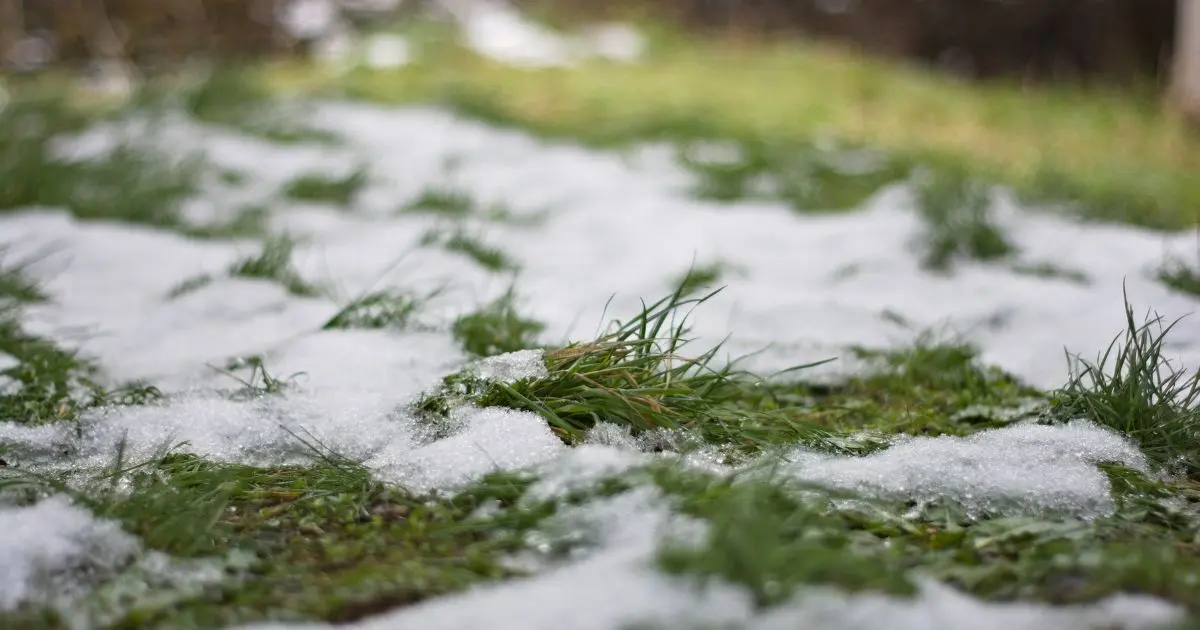
Canada’s east coast is one of the milder spots to ride out the depths of winter. Thanks to the ocean’s influence, January highs often hover near the melting point — especially along the coast. With that coastal comfort comes a trade-off: more humidity and precipitation. So, don’t be surprised by heavy snow — or even a soaking rain — throughout the month. Then comes a little break we all look forward to — the January thaw. Usually arriving between the 19th and 28th, it brings a few days of warmer weather, melts some snow and offers a welcome breather from the chill.
Quebec
January 2026 in Quebec will likely be a classic winter: cold, snowy and short on sunshine. Daytime highs usually top out between -5 and -10, with nighttime lows dipping to -15 or -20. Snowfall is generous. Freezing rain also appears, thanks
to temperature inversions that can sneak into southern Quebec and turn things slick quickly. But not all is icy gloom — there’s usually a bright spot near month’s end. The January thaw makes a (mostly) reliable appearance, offering a brief, welcome warm-up before winter tightens its grip again.
Ontario
Ontario’s huge size means January can feel like different seasons depending on where you are.
In the south — Toronto, Hamilton, Windsor — temperatures usually hover just below freezing. Head north and it’s a different story, with overnight lows often plunging below -20. The province’s varied landscape adds to winter drama. In the Snow
Belt regions downwind of the Great Lakes, lake effect snow is a big player. Cold air picks up moisture from unfrozen lakes, then dumps it as fast, heavy snow over a small area — great for skiers, tough for drivers. And don’t forget freezing rain. Temperature inversions can cause icy, slippery messes — especially in southern Ontario.
The Prairies
Nowhere is the January thaw more eagerly welcomed than on the prairies. Locals call it the bonspiel thaw, since it lines up with curling season — a brief, blissful break from the deep freeze. After weeks of bone-chilling cold, even a few days of above-average temperatures feel like a gift. In southern Alberta, that relief often comes thanks to chinook winds — warm gusts that
can melt snow in hours and send temperatures soaring. A chinook might last a couple hours or stretch over several days. They’re powerful enough to shake up the weather — and, for some, trigger headaches from sudden pressure changes.
As a rule, the further west you go on the prairies, the warmer it tends to be in January. But just as quickly, Arctic air can swoop in, sending temps plunging into the -20s, -30s, or even -40s.
British Columbia
British Columbia’s winter is anything but one-size-fits-all — and January 2026 will serve up a classic coastto-mountains mix. On the coast, cities like Vancouver and Victoria enjoy some of Canada’s mildest weather, with daytime highs around +5 and nighttime temps often above freezing. But don’t let the mildness fool you — January is also the wettest month of the year on the west coast. Vancouver alone averages over 300 mm of rain, and it’s even wetter on west-facing mountain slopes thanks to orographic lift (moist air climbing mountains and dropping heavy precipitation). That’s great news for B.C.’s ski resorts, which
can expect plenty of snow at higher elevations. Head inland and the story changes. The Okanagan stays relatively mild — cooler than the coast, but far from prairie cold. In the Rockies and northern B.C., it’s full-on winter. Highs often don’t reach -10 and snow is plentiful. Plus, Arctic outflows — bursts of frigid air barreling through mountain passes — drop temperatures quickly and crank up wind chill.
Yukon and Western Northwest Territories
January 2026 in Canada’s Far North will bring the kind of cold that defines Arctic winter. Temperatures often stay below -20, with overnight lows closer to -30. Snowfall is light — about 10 cm for the month — but strong winds can stir up snow already on the ground, creating sudden blizzards with whiteout conditions. This is one of the driest times of year and unlike other
parts of Canada, there’s no “January thaw.” The deep freeze holds strong, with no help from southern or coastal warm-ups.
Eastern Northwest Territories and Nunavut
In the north, the Polar Vortex isn’t just a news headline — it’s a regular part of life. While it sometimes dips south and blasts Arctic air to the rest of Canada, in the Territories and Nunavut, it’s a full-time resident. It keeps things bitterly cold and
breezy, fueling wind chills and frequent, wind-driven blizzards. Snowfall stays lighter, but the chill is relentless. January highs hover between -20 and -25, with overnight lows dipping into the -30s. And don’t count on much daylight — some areas barely see more than a few hours of twilight. It’s winter at its most extreme.