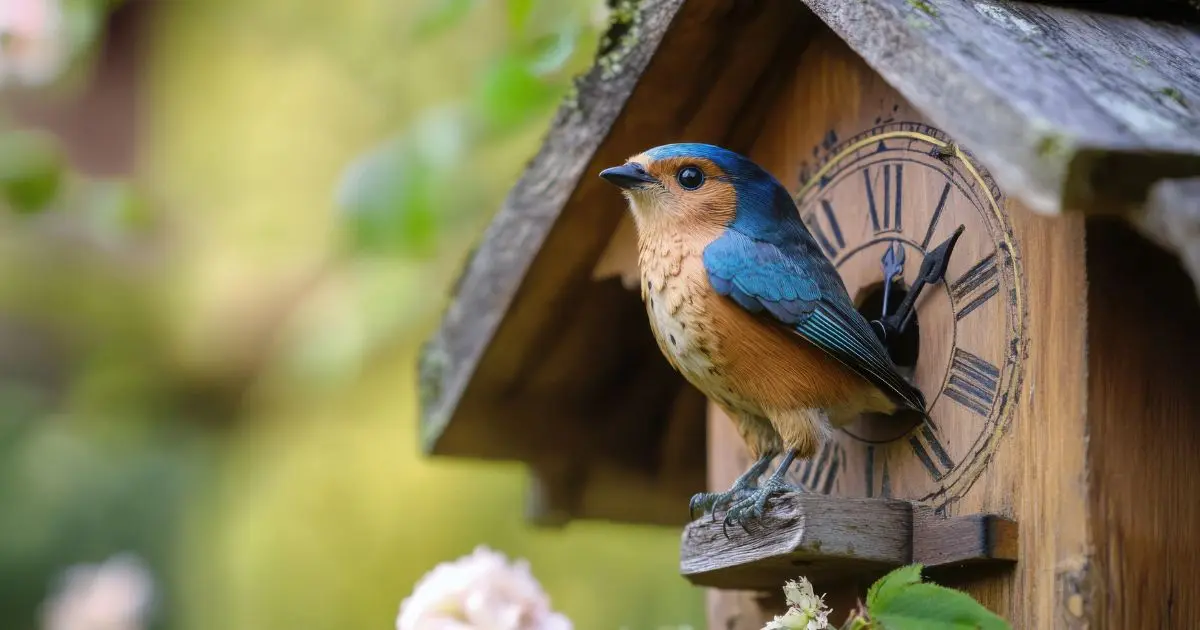

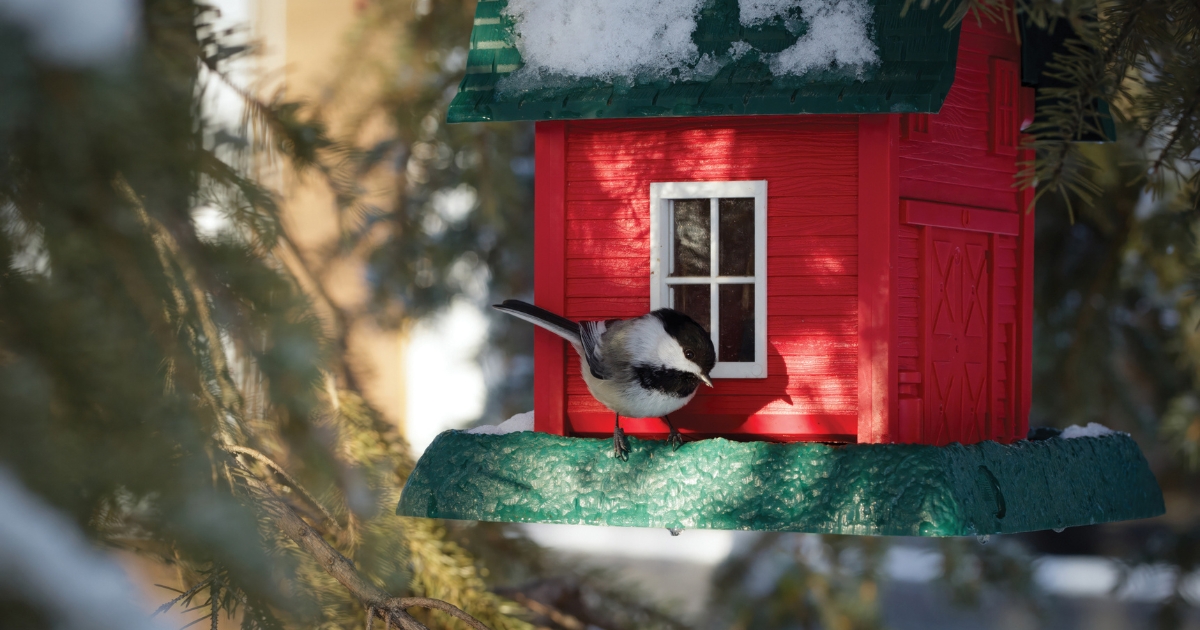
Providing a feeding station for winter birds keeps us connected to the garden when plants are asleep.
After all the migrants have left for warmer climates, one of my greatest pleasures is creating and sharing a backyard environment where our resident birds keep returning throughout the winter. Providing nutritious food, water and shelter is the recipe for success, with a few changes to the summer routine to combat the cold and ice.
Yes, there are pros and cons to backyard feeders. The negatives focus on how birds congregate at feeders and can allow the spread of disease through their proximity and droppings. Regular cleaning of the feeders and the ground below is the best way to prevent this. Recent outbreaks of avian flu gave the critics another reason to discourage feeders, but studies by the Cornell Lab of Ornithology support that only those with domestic poultry are likely to be concerned, since songbirds are generally not affected by the disease.
Providing a variety of feeders, designed to deliver niger seed (for finches), peanuts or suet (for blue jays, woodpeckers and Carolina wrens) and black-oil sunflower seeds, both shelled and regular (for cardinals, sparrows, chickadees and nuthatches) will attract a greater variety of species and prevent the visitors from fighting for a spot at the feeder. We don’t offer bread, since it isn’t considered beneficial for songbirds—it provides poor nutrition, can spoil and go mouldy and thus create serious health hazards for birds.
A squirrel-resistant pole with hangers for several different feeders is situated in the centre of our yard, far enough from trees and structures so that squirrels and other pests have a hard time accessing them. For mourning doves and other birds that prefer ground feeding, we set up a raised tray feeder so they don’t have to battle ice and snow.
Shelter is an often-overlooked aspect of a bird-feeding station. Don’t rush to clear out your dead, dried-out garden foliage and fallen branches. Besides retaining moisture and providing natural fertilizer, this vegetation provides a home for invertebrates (food for many other species) and shelter during the cold and windy months ahead. A brush pile with your cast-off Christmas tree makes a great addition to any backyard. Small birds at bird feeders may attract hawks and other raptors, so adding multiple layers of shrubbery and trees (both evergreen and deciduous) will help to provide a safe refuge when the raptors appear.
Bird baths, cleaned and refilled regularly, are magnets for most bird species. We have two heated baths just outside our patio doors, and these are constantly being used for drinking and bathing.
Maintaining a winter-feeding station keeps us involved with our garden, even when the flowers and plants are asleep, and it helps us smooth the transition from autumn to spring. We get regular winter visits from about a dozen species, with another dozen likely to drop in. We particularly enjoy watching our regulars exchange their breeding plumage for the drab winter costumes that have served them throughout the winter. Excitement peaks in early spring when the migrants start arriving,
and we realize that winter’s sting is over.

Wondering what to put into your feeding station? Check out “Cold Weather Cuisine” at harrowsmithmag.com.