


Sometimes called solar generators, this up-and-coming technology offers distinct advantages over fuel-powered generators. But does it make sense for you? Maybe. It all depends on your expectations and situation.
Imagine a high-capacity battery with a built-in system for producing 120-volt AC power, all contained in a handy carrying case. This is the portable power station idea in a nutshell. Sounds good, but there’s more here to understand than meets the eye. I’ve been testing power stations since they came out, and while this technology is advancing, you need to understand how it all works to make a good buying decision.
Unlimited Limited Power
Most portable power stations can be charged and recharged indefinitely using solar panels. This is how these units deliver unlimited power, even during long-term grid outages and lack of local fuel and oil supplies for an engine-powered generator. That said, the amount of power delivered is quite a bit less than provided by a portable gas-powered generator of the same cost, and this is the sense that portable power stations offer limited output.
Most people buy portable power stations for two reasons: backup electricity during outages and as portable sources of power away from the grid. When shopping for something to cover either of these applications, there are two questions to answer.
The first is “What’s the maximum power output I need, expressed in watts?”
Peak Power Needs
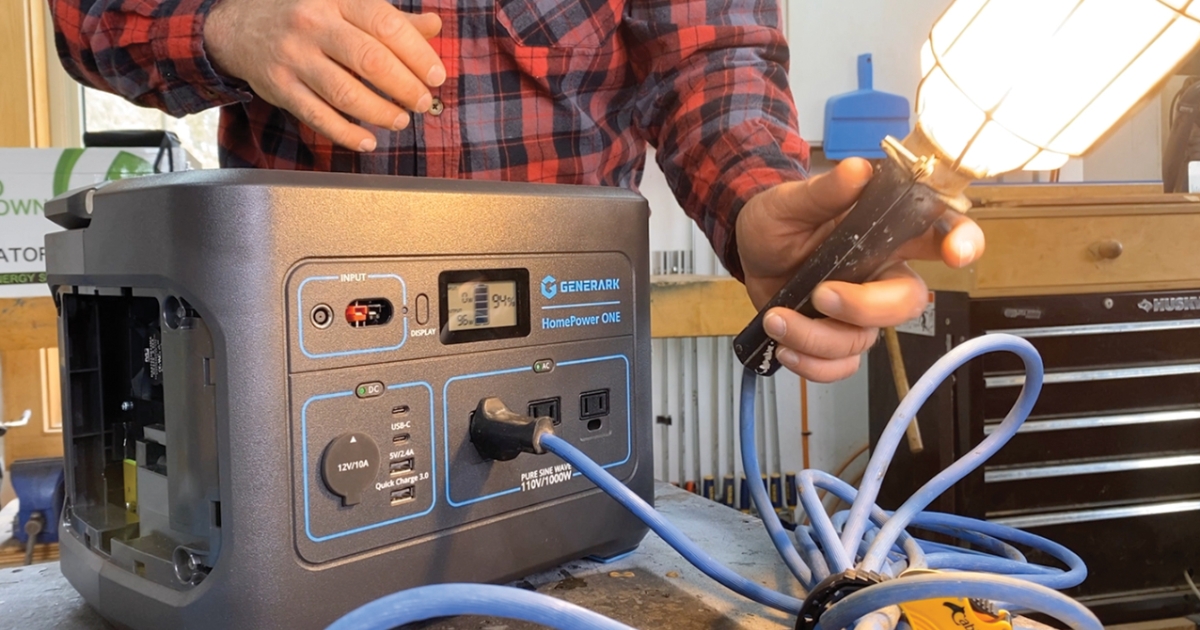
If all you’re interested in is charging phone and computer batteries, or running a light bulb or two while camping, then a portable power station in the 800-to-1,000-watt range will do fine. But I’ve found that many people want to do more power-intensive things with a power station, such as running a water-well pump or a sump pump, keeping a fridge or freezer going or making sure a sewage pump keeps working during an outage. In cases like these you’ll need a model that can deliver 1,000 to 1,600 watts continuously as the item runs, but also with the capability to deliver two or three times this amount for short bursts.
The reason is because of something called surge current—this is a momentary spike in power required during start-up by anything that has an electric motor. Water pumps certainly do, but so does refrigeration equipment. Any portable power station intended for energizing this type of gear needs to be built to handle surge currents of 2,000 to 3,000 watts for two or three seconds during start-up. Without this capability, your power station will shut down from an overload condition and nothing will run. Look for power stations rated to handle surge currents two to three times higher than required while running and you’ll be fine. But there’s also another power parameter you need to consider by answering a question: “How long do I want things to run?”
Run Times
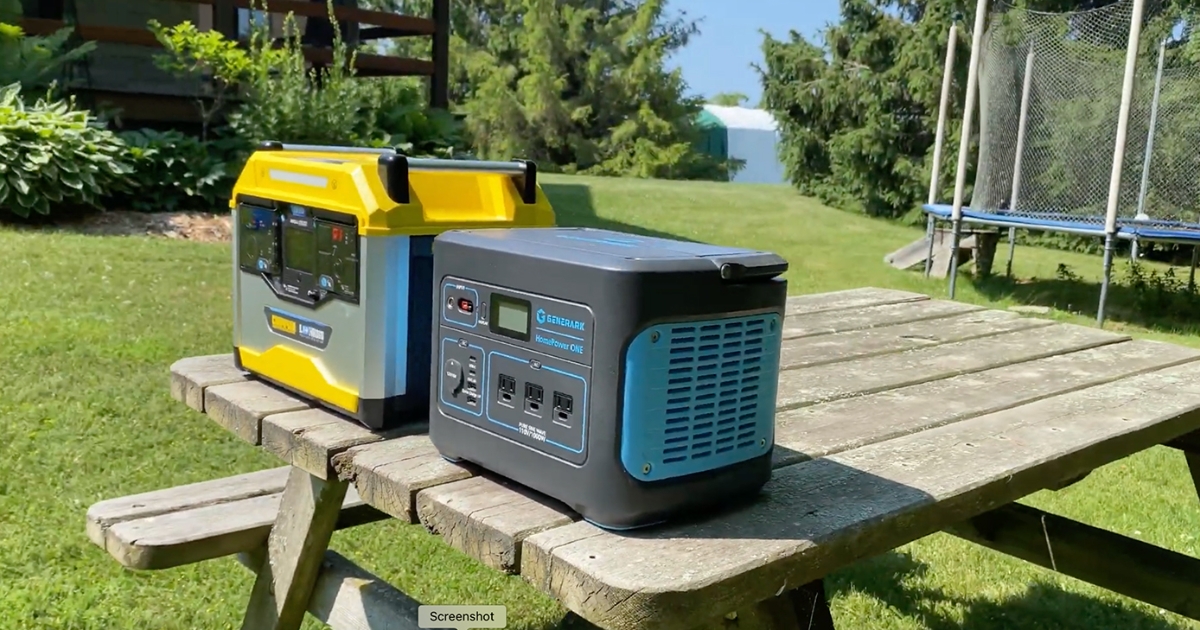
This refers to how much total energy a power station can put out on a single charge, and for that you need to understand something called watt-hours. Watts are a figure that describes the flow rate of power, but not a quantity. Watt-hours is different—it describes how much total energy is stored in a power station for use by things plugged into it, and this determines run time.
Let’s say you have a toaster oven that draws 1,200 watts of power, and your power station holds 1,200 watt-hours of stored energy. This means your power station will run your toaster oven for one hour on a single charge: 1,200 watts x 1 hour = 1,200 watt-hours or 1.2 kilowatt-hours (kWh). This is important to consider because energy stored determines run time, and a relatively short run time is the largest drawback with portable power stations right now.
The typical run time of a conventional generator with a full tank of gas is roughly 15 times as long as a large portable power station can operate on a full charge. And while some models are designed to accept an additional battery to extend run time, short run times are still a drawback. But portable power stations have one hidden advantage. The ability to recharge using solar panels means that power stations can operate indefinitely, even when local supplies of gasoline are gone or remain inaccessible during a long-term outage.
How fast will a power station recharge on solar? That depends on the wattage of solar panels you have connected, the size of your power station, and how sunny it is. But even with, say, 400 watts of solar input, it will still take hours to recharge.
Determining Peak Power Demand
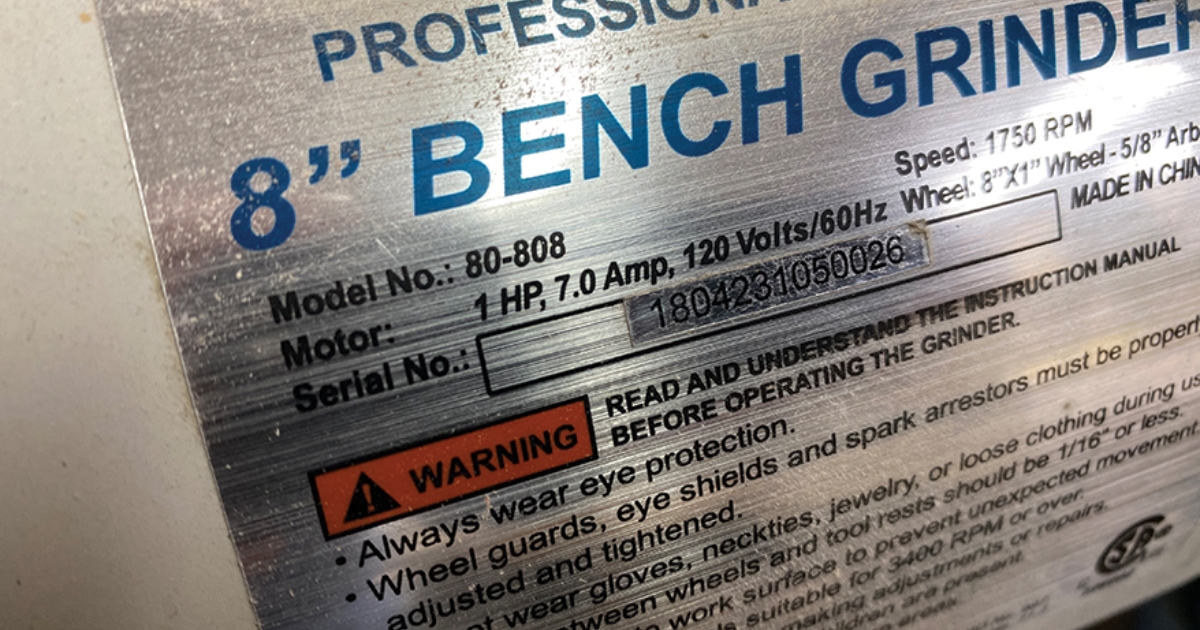
Every 120-volt item that plugs into a wall outlet is required to have information about how much current the item draws. The spec sticker on a tool might show that it draws 7 amps of current draw. Wattage is determined by amps times volts, so that tool requires 7 amps x 120 volts—840 watts to run. But since that tool has a motor, multiply 840 x 3, which is 2,520 watts, and that’s the starting wattage you’ll need from any portable power station.
Is a Power Station For You?
Does your situation require relatively low power output and short run time (extended with solar recharging)? A portable power station should work well for you. For instance, some people buy them for emergency backup to keep water flowing from a private well, and to keep fridges and freezers cold. In my tests with the Champion 1,638 watt-hour (Wh) model, I found the unit ran a 120-volt household water pump for about one day, with three people living in the house and an ordinary amount of water use and laundering. All models also come with a variety of outlets for USB charging, and as straight 12 DC.
Do you need portable power? I’ve used the same 1,638 Wh model when I needed modest amounts of power to run lights and power tools at an off-grid renovation site. It worked well powering a benchtop table saw, an angle grinder and work lights. The unit in my tests puts out 1,600 watts continuous but can handle short surges of 3,200 watts.
Other people use portable power stations in combination with a gas-powered generator. Let’s say you’re at an RV park and you want to run the air conditioner in your motorhome. No portable power station can handle a load like this, but you can recharge the power station while your gas-powered generator is running. This way you have silent lighting and water pump use at night, when even a quiet generator would be making too much noise.
Portable power stations offer real benefits, and these benefits will probably increase as time goes by and battery technology improves. But even now, this technology definitely has something to offer, as long as your expectations match the current reality.